
Dimmu Borgir’s new music video for Ulvgjeld & Blodsodel seizes its audience in a shallow-focused atmospheric haze, a deliberately murky dreamscape where cold northern black and blue reigns.
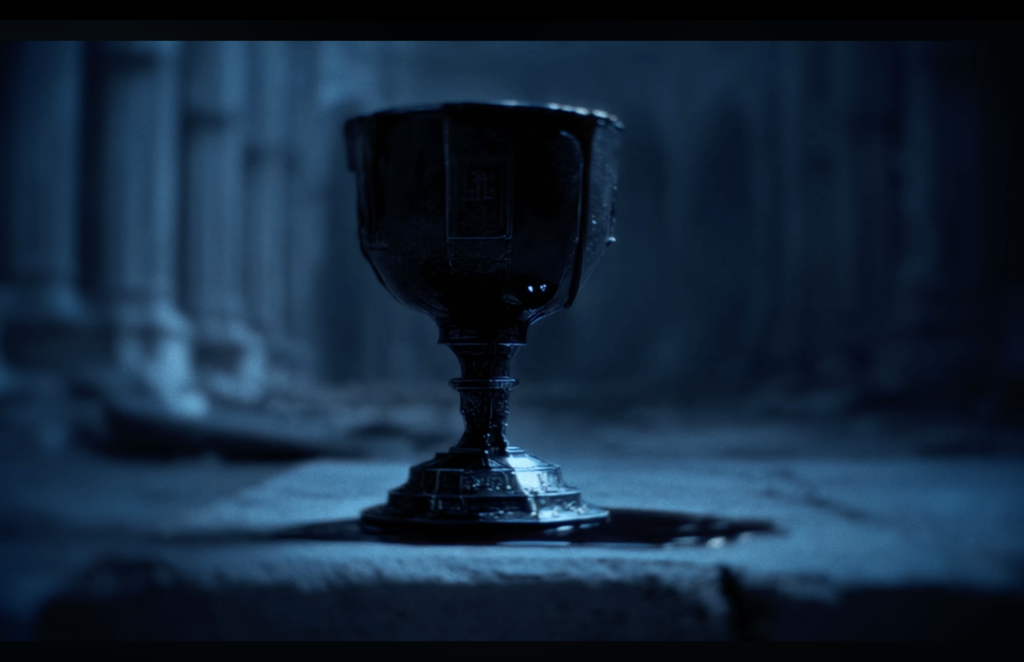
A blood-filled communion chalice does not deserve the color red; red is reserved instead for the demonic lash and sigil piercing through the haze from Shagrath’s breast.
The video’s Polish director — Dariusz Szermanowicz — has been charting new terrain in extreme metal aesthetics for well over a decade. At the helm of the Wrocław-based production house Grupa 13, he has been collaborating with Behemoth since the late 2000s: “Ov Fire and the Void,” “Bartzabel,” “Blow Your Trumpets Gabriel,” “O Father! O Satan! O Sun!,” “God=Dog,” “Rom 5:8,” and the long-form streaming events In Absentia Dei and XXX Years Ov Blasphemy all feature Grupa 13’s work. In their visual vocabulary — robed hierophants, desecrated altars, angelomorphic demons — metal’s inversion of Christian liturgy has taken some of its most unapologetically blasphemous forms. Szermanowicz brings all of this to bear on Dimmu Borgir’s return.
That unholy audiences should be blessed with this feast for the eyes feels less surprising once the history between the two bands is remembered. Dimmu Borgir headlined a 2008 North American tour — The Invaluable Darkness tour — with Behemoth in support. Nergal has spoken openly of sitting in Shagrath’s apartment in the 1990s, taking Dimmu’s work as the benchmark his own band was trying to reach. Shagrath, in turn, has assured there remains no rivalry between them, the two acts complementing each other. In October they co-headline their largest European tour together — In League with Satan — with Dark Funeral as special guests. Ulvgjeld & Blodsodel — their first Norwegian-language video in thirty years, and the lead single from the tenth album Grand Serpent Rising — is the first substantial piece of work to come out of this alignment.
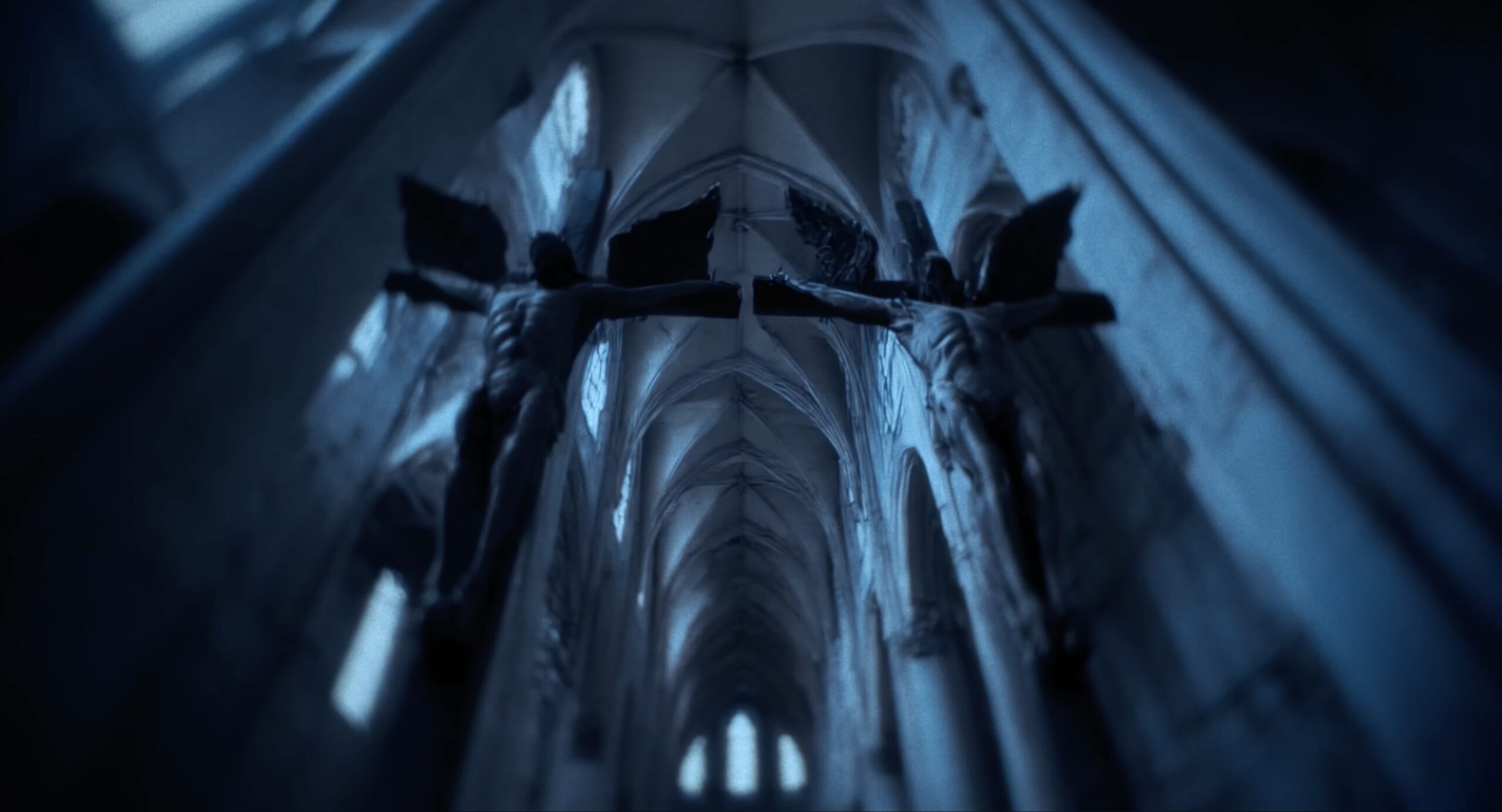
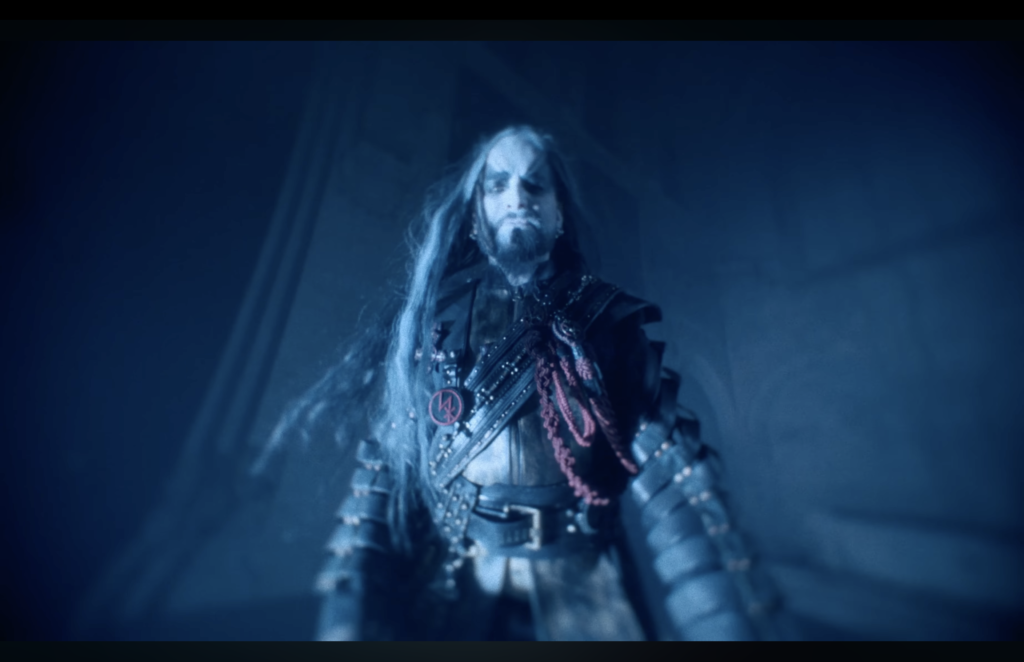
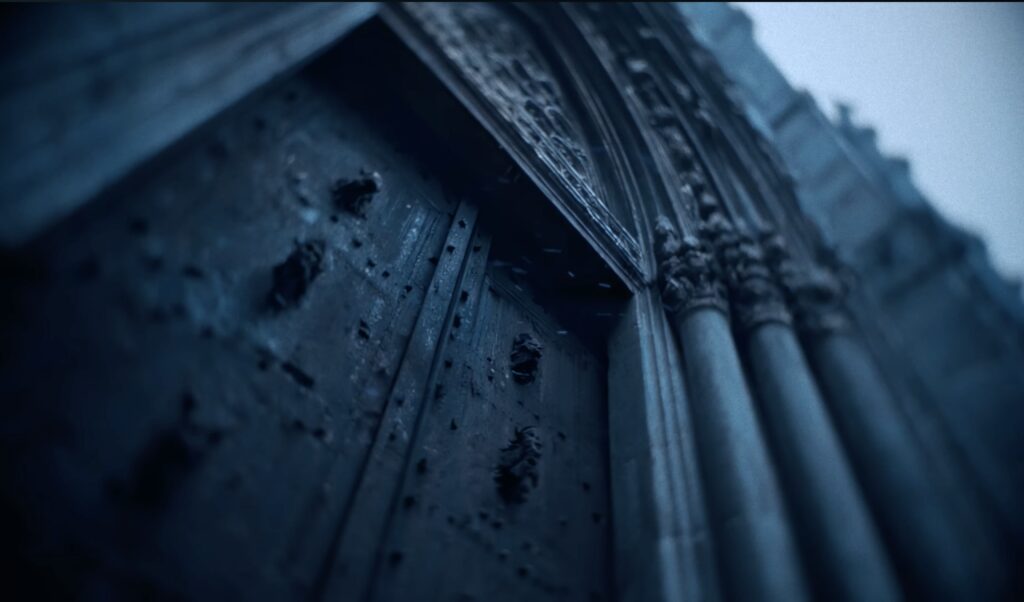
The video comes loaded with striking aesthetic ingredients. The setting is a gothic cathedral, ribbed vaults and ornamented archways, bronze-laden doors surmounted with tympanum pediments. Silhouetted ritual practitioners in hooded robes recall Tolkien’s Nazgûl; metal face-apparatuses recall Christopher Nolan’s Bane and the planetary sci-fi cults of Denis Villeneuve’s Dune. Silenoz somehow manages to make a beret appear as standard black metal regalia. None of these choices is where the video’s most significant aesthetic drama unfolds. The focal point is the sculpture. Shape and beauty are expressed in the form of collapse and destruction — the videography made to suit Dimmu’s classic formula of symphonic crescendo brought to a climax where Christian mythology reduces to rubble. As the statuesque Christian stone effigies cascade one after the other into pieces, the audience is left to ponder the earlier ruins upon which Christianity was built.
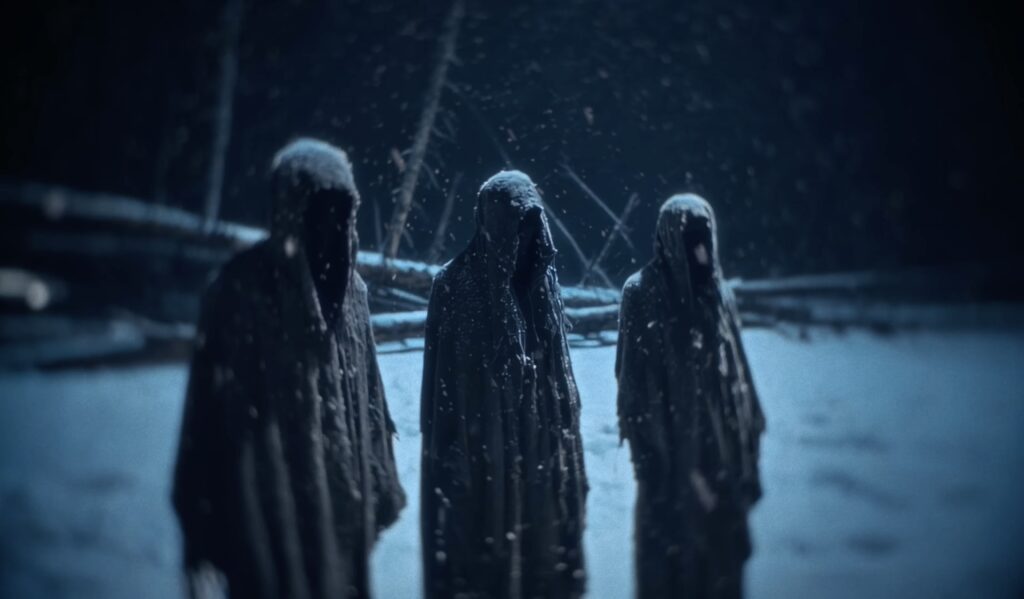
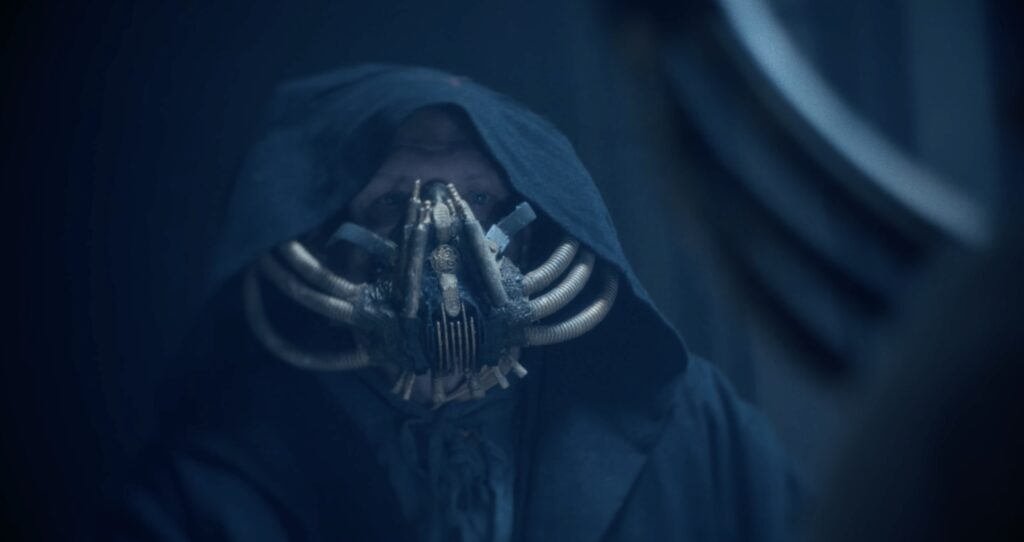
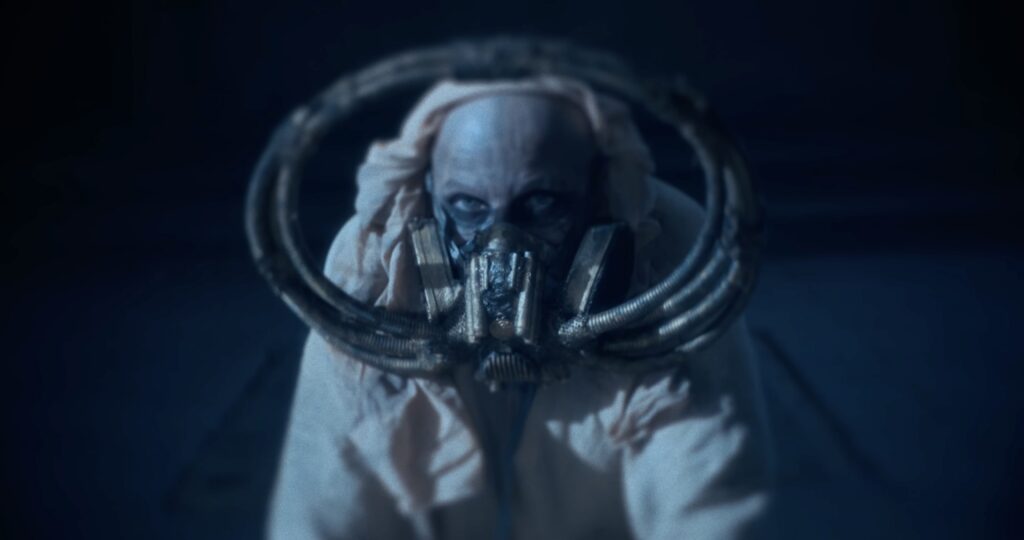
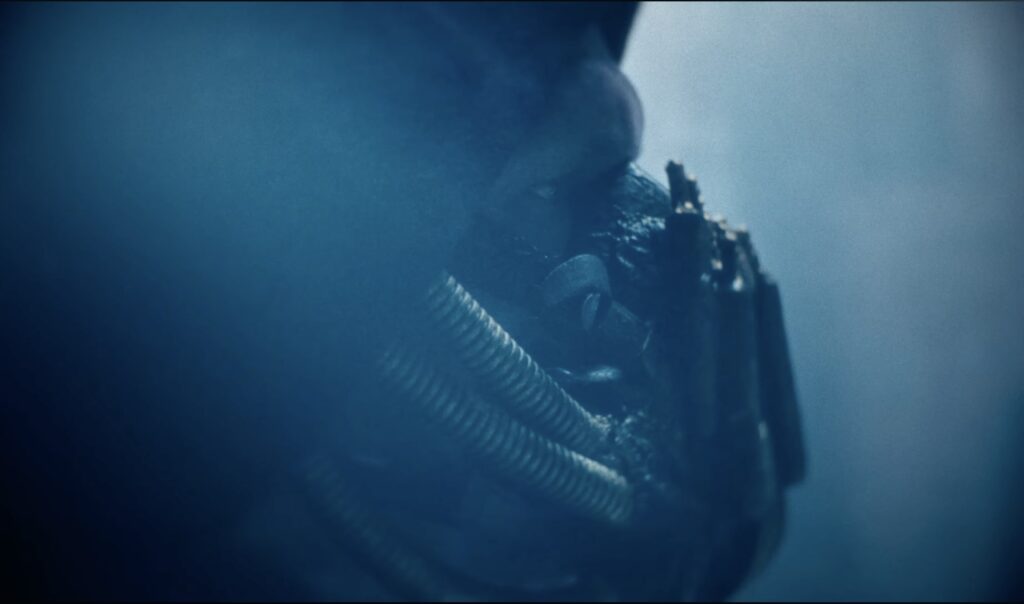
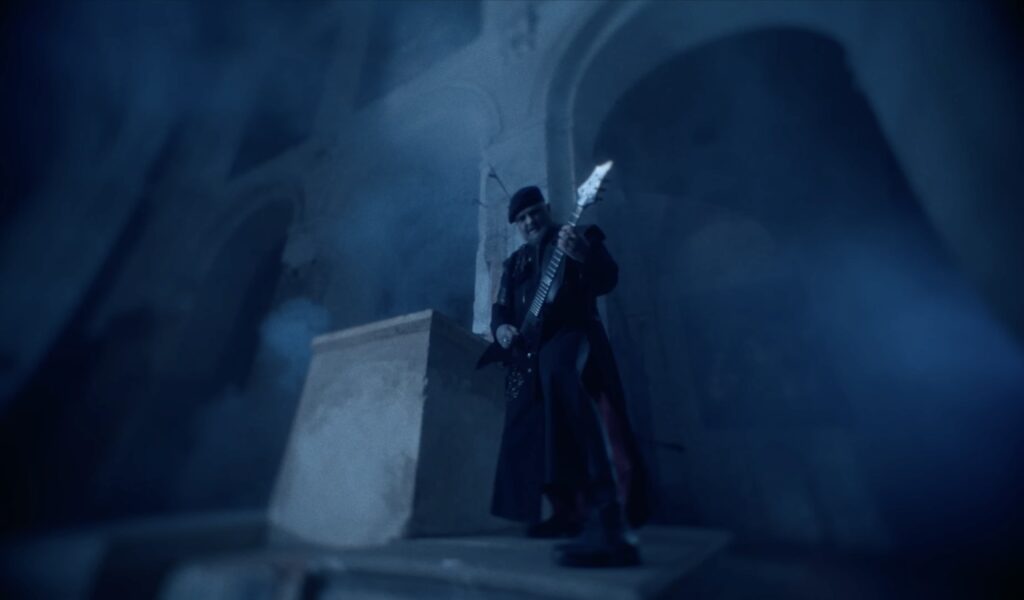
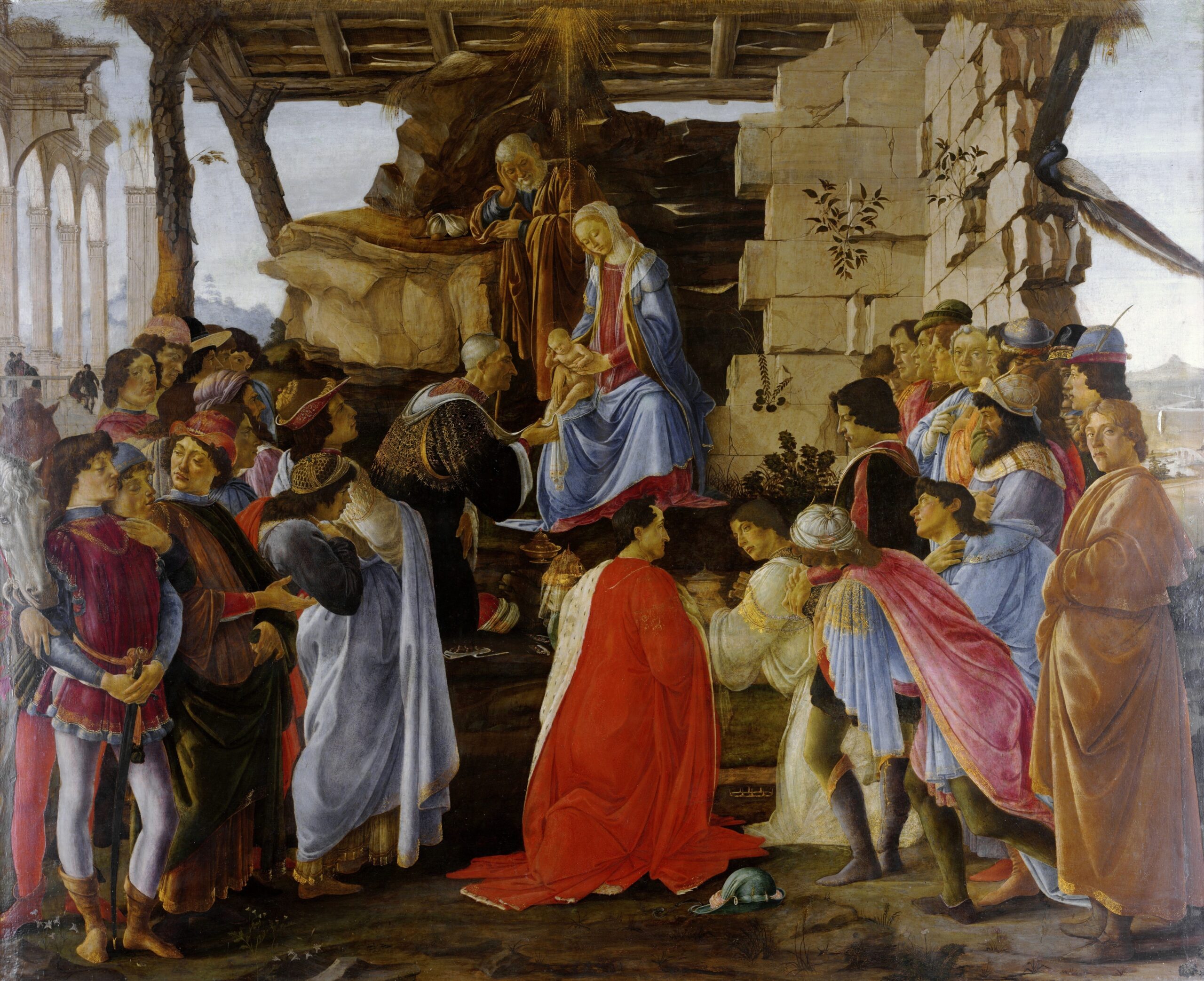
What metal is so good at — what Dimmu and Szermanowicz have accomplished — is beating Christianity at its own game. For centuries the aesthetics of Christian triumphalism occupied sites and sights of fallen Rome. Art historians of the Italian Renaissance describe the motif of Roman ruins as the representation of a newborn Christian Age. Countless examples can be given. Take Sandro Botticelli’s Adoration of the Magi, where Christ’s birthplace appears reimagined as the failure of pagan Rome, the Bethlehem stable absurdly improvised couched in the debris of a collapsed pagan temple. Roman architecture towers in the background, left crumbling now only a shadow of its former self. Christians took the language of ancient Rome, they called their Pope “Pontifex Maximus” after Rome’s greatest bridge-builders, they mocked Rome for its arrogance, and, for a time, history smiled upon them.
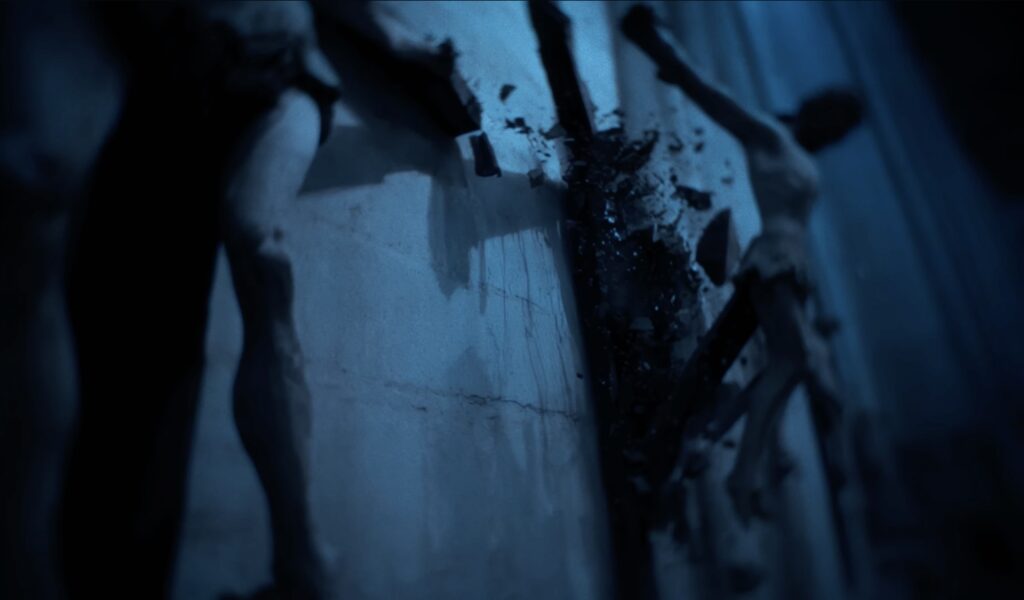
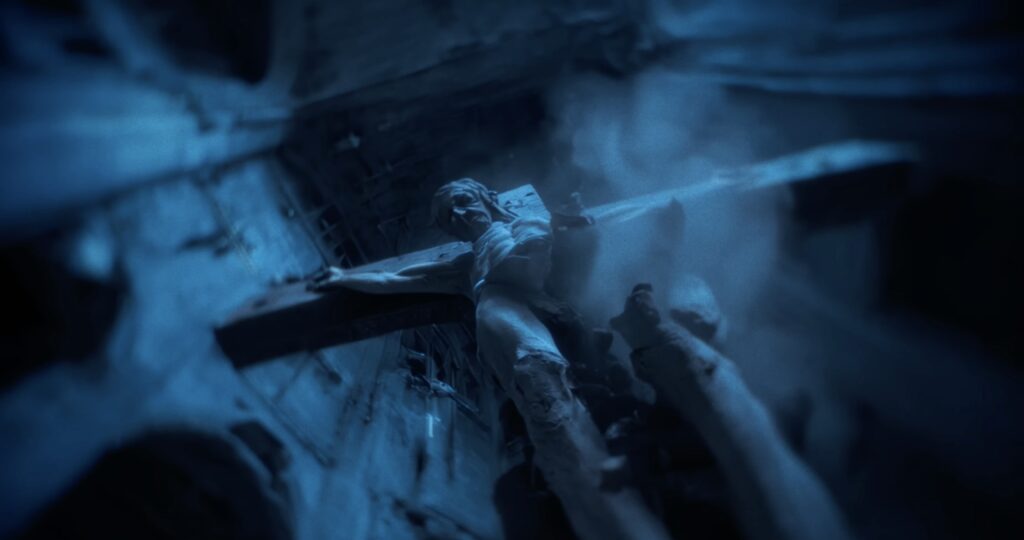
The chorus of the song — hyrden passer ikke lenger flokken, the shepherd no longer tends the flock — is an inversion of Psalm 23 and John 10, preserving Christianity’s pastoral imagery exactly so that its failure becomes evident. The song’s title is Old Norse legal vocabulary — ulvgjeld is wolf-debt, blodsodel is blood-odal, the inheritance of ancestral land by bloodline — which locates the song in a juridical world stretching back to a pagan world Christianity superseded. In the hands of Dimmu Borgir, Szermanowicz, and metal’s hordes, the pagan world will not be forgotten; it will be instrumentalized to mock its erstwhile supersessionists.
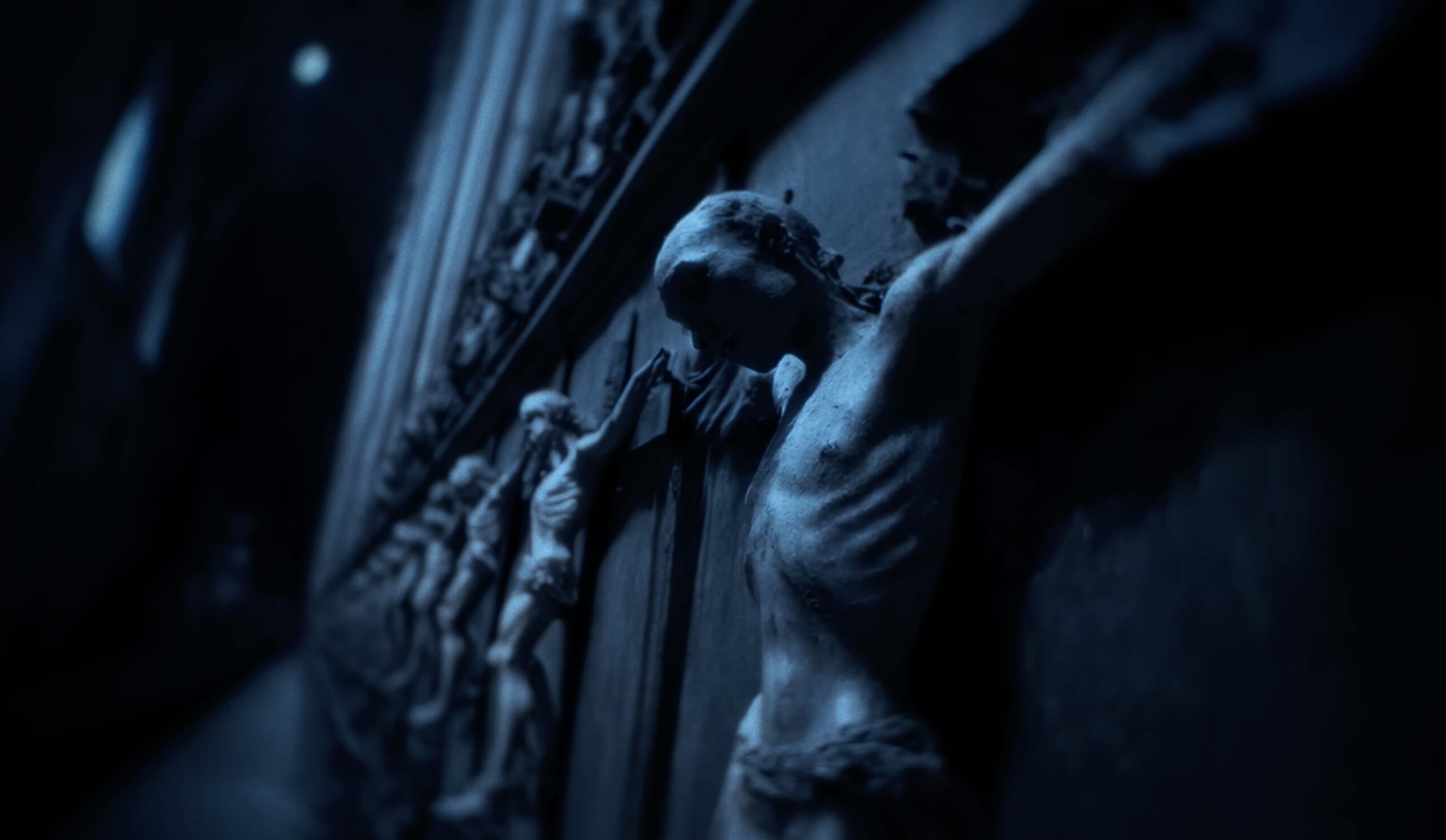
To take from the rituals of your enemy, to repurpose them in reenactment of their own ruination, this is a visual script history has seen before. It is more honest in Szermanowicz’s cold black and blue than in Botticelli’s rainbow parade.