
Is metal walking dead? This summer I have handed out nearly a thousand questionnaires at eight festivals in six countries, and two of the questions I asked bear directly on the claim that metal is dying. My survey asks metalheads which bands are their favorites, but also which band first got them into metal. It turns out that this data is highly relevant to the way metal’s death has been discussed by others, because the death of metal is always about a bygone age of a small select number of giant bands. How metalheads got their start, and where they have ended up, can tell us a lot about metal’s current health.
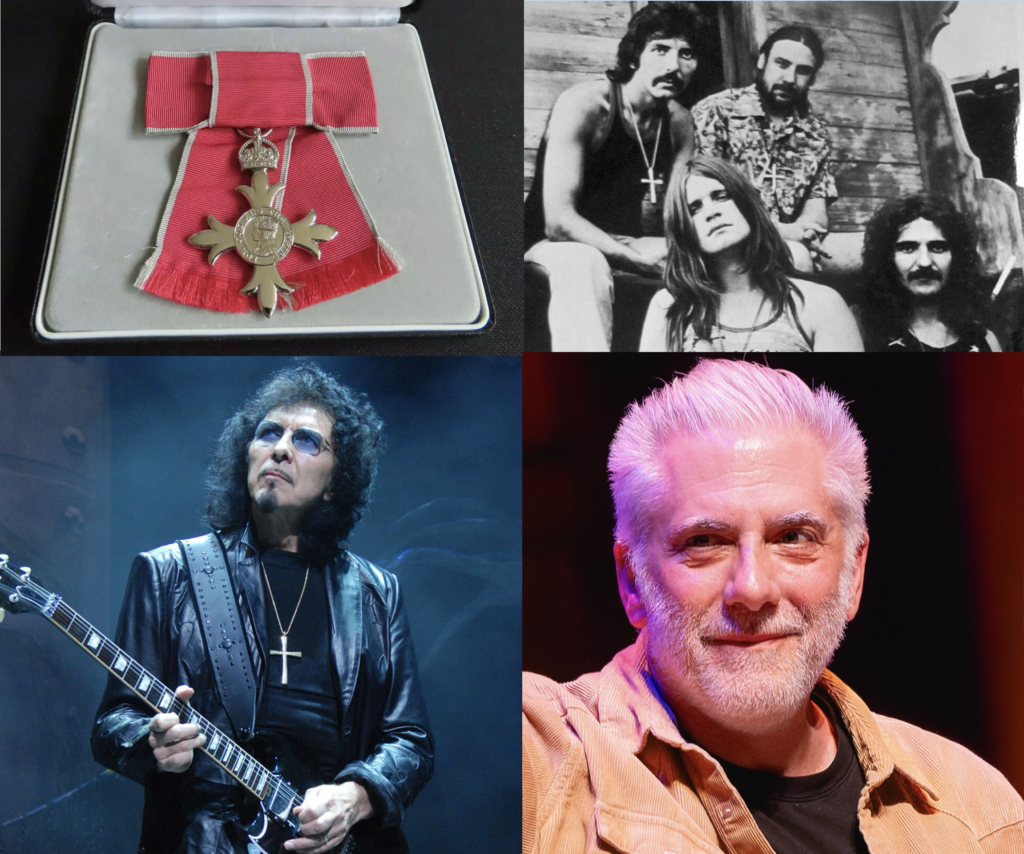
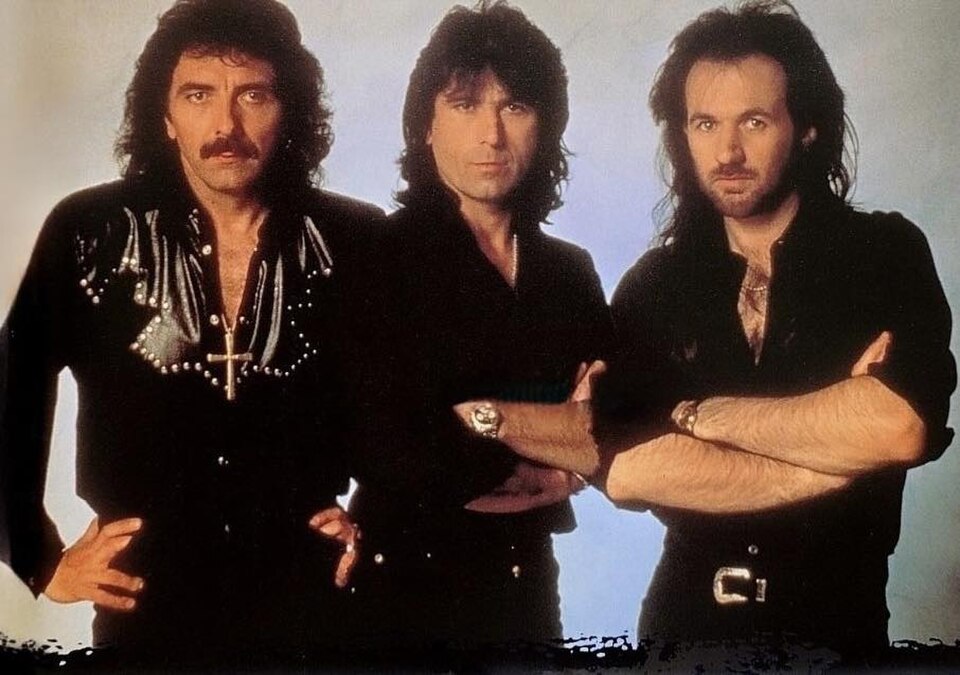
The longstanding debate has two fresh occasions. In June, metal won a new height of recognition when Tony Iommi, the Black Sabbath guitarist, the man who invented the heavy metal riff, was made a Member of the Order of the British Empire. Last November, on the other hand, the critic Rick Beato went viral, telling roughly 820,000 viewers of a video titled “Where Have All The Metalheads Gone” that metal is disappearing. He argues that no young act commands an audience comparable to the old giants, and that young people no longer take up the music at all.
Beato’s method rests on a mistaken assumption about what holds a genre together. He assumes the glue is the biggest star. My data shows something different about metal identity. Metal began with an accusation. Preachers and journalists called Black Sabbath devil-worshippers, and they were wrong; the band was a mix of lapsed and practicing Christians writing warnings about the occult. The founding act of the genre came afterward, when fans and younger bands picked up the insult and wore it, mostly as a joke, as a provocation. An identity built on jest has no doctrine. With no doctrine there is nothing to enforce, with nothing to enforce there is no authority, and with no authority there is no leader. Catholicism has its pope and Shia Islam its imams, while metal has become more like Sunni Islam or Protestantism where any believer can call themselves a preacher. Beato is waiting for a successor that metal can no longer produce, because the giants Beato cites set metal on a different path. His evidence for metal’s death is actually the mechanism that makes it healthy and unique. The story starts in Birmingham, England’s historic capital of religious dissent.
First, let us consider the medal. Iommi is seventy-eight. The honour cites his music and his charitable work, above all the cancer advocacy he has done since surviving lymphoma in 2012, and it arrived not quite a year after the death of Ozzy Osbourne, his bandmate of half a century. The sequence of the honours is worth recording: Birmingham’s Lord Mayor’s Award came in May, and the King’s medal followed in June. The city recognized him a month before the state did.
Second, consider the eulogy. Beato’s evidence comes from Spotify. The largest metal act to emerge in the last fifteen years holds a fraction of the monthly audience the old giants still hold, and every metal song that has crossed a billion streams is decades old. His explanation is generational: young people are alone with their phones rather than together in garages, and the pipeline that once turned teenage alienation into bands has broken. He is not gloating. He plainly loves this music.
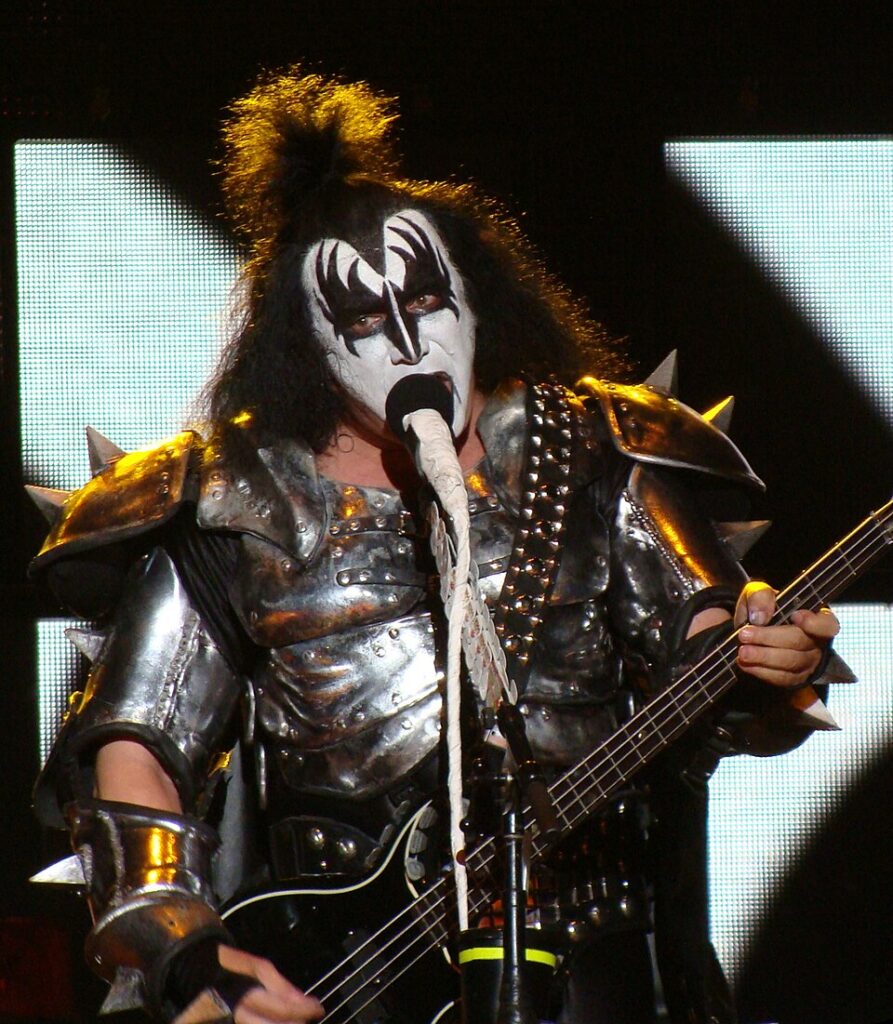
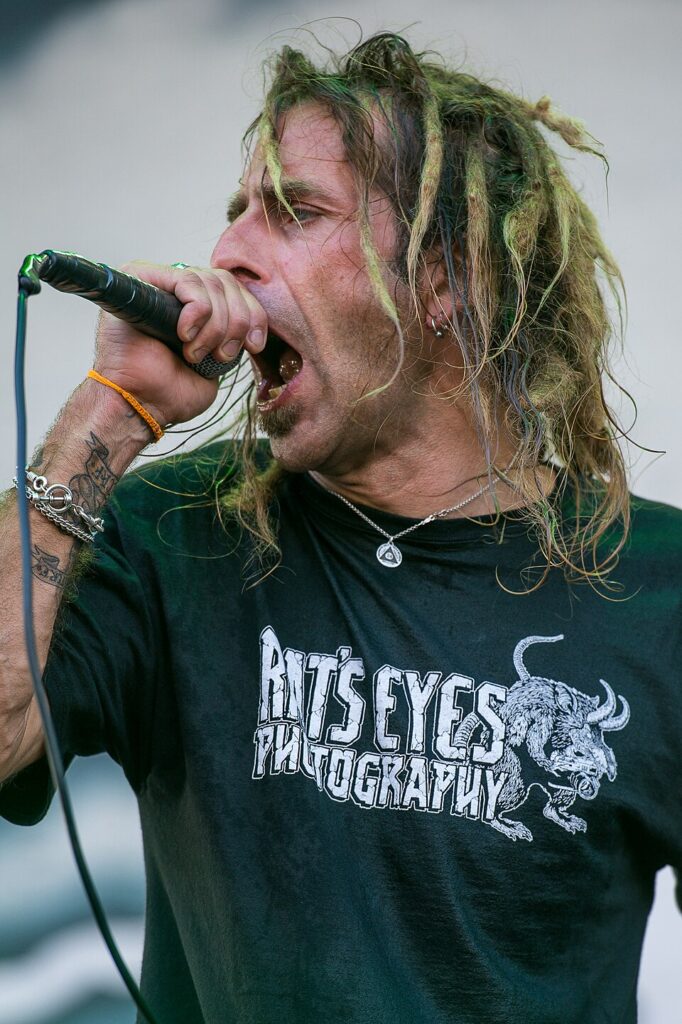
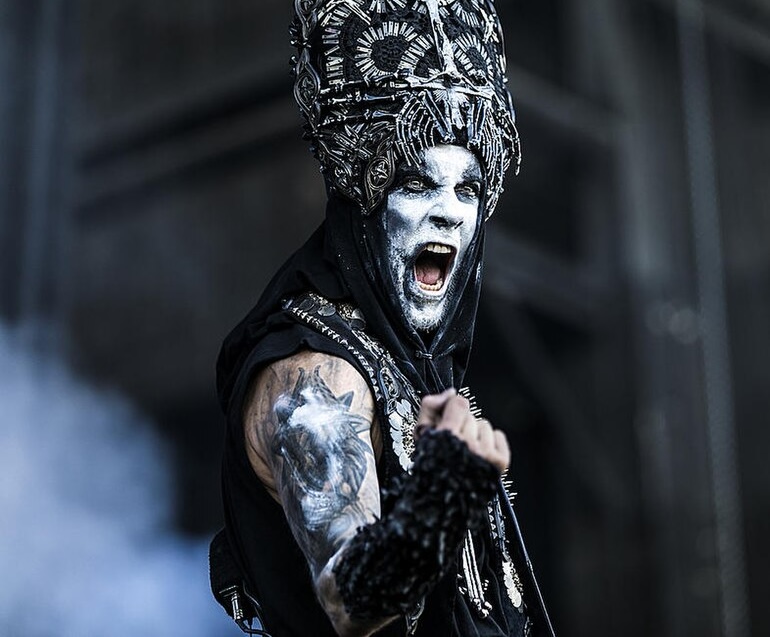
And he is also not alone. His video is the newest entry in a lament that is more than a decade old, and many of its voices are closer to the stage than he. Gene Simmons declared rock dead in Esquire in 2014. The sociologist Keith Kahn-Harris, one of metal scholarship’s founding figures, diagnosed the genre’s “crisis of abundance” in 2013: more bands and more records than any scene can absorb. Randy Blythe of Lamb of God explained in 2020 why there will never be another Metallica: “Now there’s a bazillion freaking bands.” Nergal of Behemoth went further in 2022, advising young musicians not to form bands at all, because “The world is overwhelmed with bands, with records, with albums.” The supply Nergal describes is real. The Encyclopaedia Metallum, the genre’s own gatekeeping registry, now lists more than 195,000 bands, and its standards are strict enough that it declines to admit Bring Me The Horizon, the act Beato names as contemporary metal’s biggest. Festival bookers have spent the same decade worrying aloud about a shortage of headliners, and their response is instructive: Download simply promoted new ones, giving Sleep Token a headline slot in 2025 and naming Spiritbox as a future headliner. The genre still produces headliners of the field. What it no longer produces is a headliner of the culture, a single band that stands for the genre in the eyes of the whole world.
Beato deserves a fair reading before his evidence is examined. He is right that no act since the giants has reached their altitude, and right that metal no longer plays the role it played from roughly 1970 to 2005 as a default refuge of the alienated Western teenager. But his two exhibits show less than they appear to. The billion-stream statistic is an artifact of catalogue age. Spotify opened in 2008, so a song from 1991 has had the platform’s entire life, plus two decades of prior fame, in which to accumulate plays; asking why the billion-stream songs are all old is asking why the tallest trees are the oldest. The monthly-listener comparison has a subtler problem. A fall in every band’s individual ranking is consistent with two different worlds: one in which total listening to metal has declined, and one in which total listening has held steady while spreading across far more bands, so that no single act clears Beato’s bar. His charts cannot tell these worlds apart, and to my knowledge no public data settles the question, since Spotify does not publish usable genre shares. What can be said is that streaming is a partial window on this genre’s economy at best. Its fans are, by industry measurements, roughly fifty percent more likely than the average listener to buy vinyl, and its festivals sell out in hours. Whether listening has dispersed rather than declined can, however, be tested directly at the level of fans, and my survey can get at this.
Beato’s more substantive claim concerns renewal, that no new act commands real devotion, and that the young are not entering the genre. Both parts are testable. My respondents are asked to name their current favorite bands, and more than seven hundred of them have, naming more than a thousand different bands. The single most named band accounts for three percent of the mentions. A hundred and one different bands are needed to account for half of everything named, and seven in ten bands were named by exactly one person, once. There is no king in this crowd. There is barely a court.
Before drawing conclusions from that list, its limitations have to be addressed, because the obvious objection to data collected at eight festivals is correct. People name the bands they came to see. The most named band in the survey was Bring Me The Horizon, Beato’s own flagship example, and that ranking cannot be taken at face value, because the band headlined three of the eight festivals where I surveyed so far. Where they played, one respondent in ten named them; where they did not, one in forty. The same check across every band with enough mentions to test shows that a place on the bill roughly triples a band’s chance of being named. The canon is the exception: Metallica played none of the eight festivals and was still named by nearly six percent of respondents everywhere. A second bias operates alongside the first, since crowds sort themselves among festivals: Slayer also appeared on none of the bills, yet dominates the naming at the festivals whose lineups lean toward death and thrash metal, a fact about who bought tickets rather than about who performed. The top of the ranking therefore reflects booking and self-selection together.
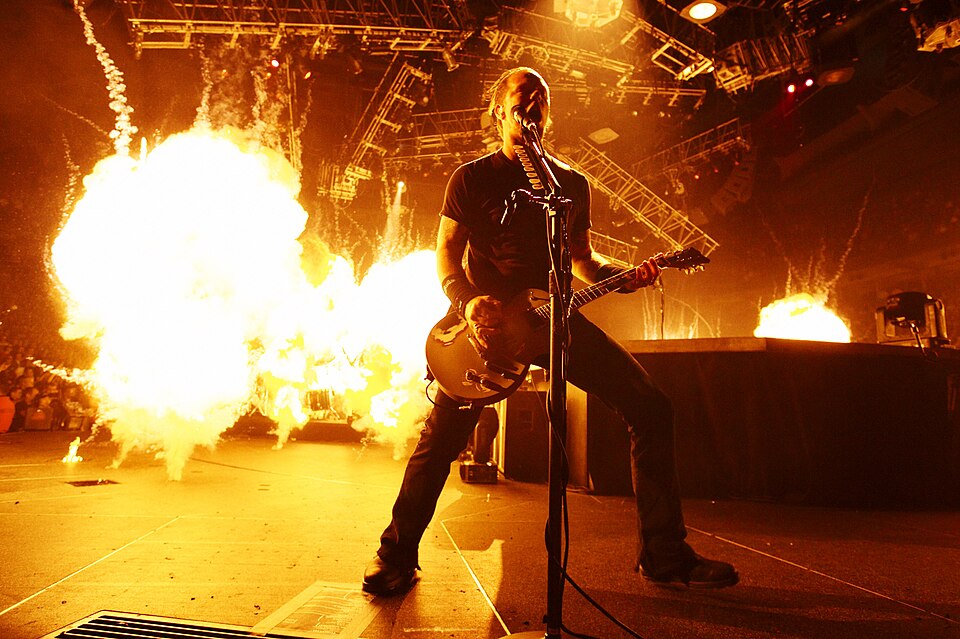
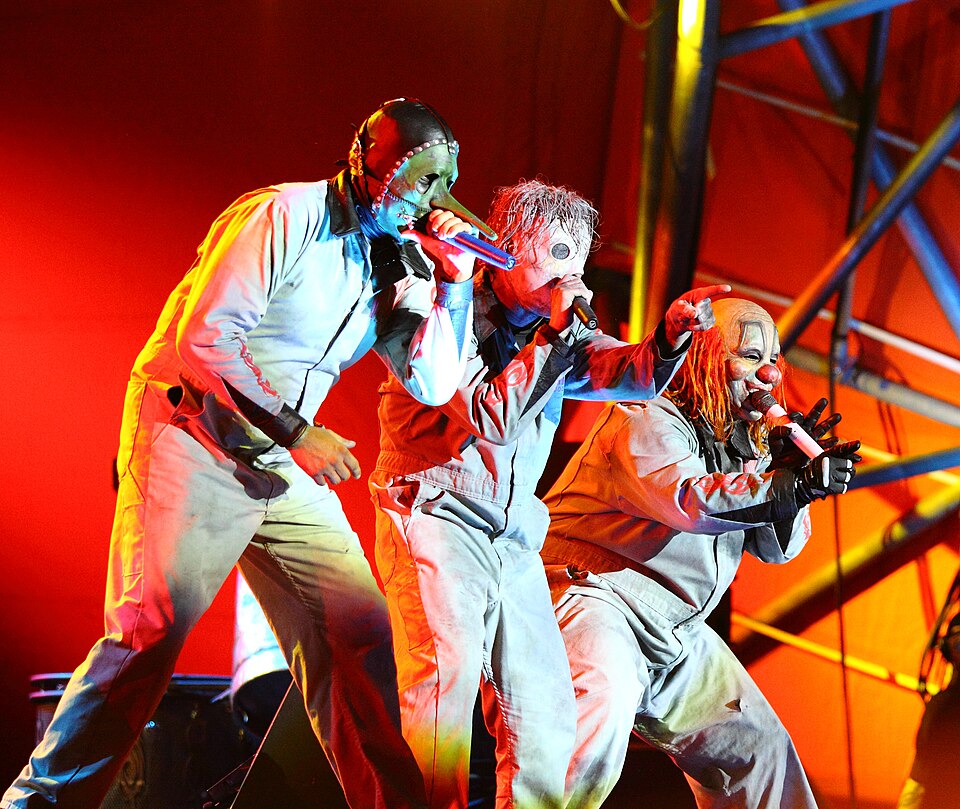
Two findings are robust to this problem. The first is the shape of the distribution itself. Booking bias should concentrate names on the headliners, and even with that bias operating, the list is nearly flat. The second comes from a different question, one the lineup cannot contaminate because it concerns a love formed years before this summer’s posters were printed: what was the first metal band you ever loved? Among respondents over forty-five, ninety-five percent entered the genre through a band that broke before 2000, which says only that nothing else existed. Among respondents under twenty-five, half did. Another third entered through the bands of 2000 to 2007, and fewer than one in five through a band of their own era, a pattern that holds just as strongly at the festivals the modern acts headlined. The most common first love among people born this century is Metallica. Slipknot is second.
This finding converts Beato’s strongest fact into evidence against him. The giant names are old because they are the entrance. Each generation comes into the music through the same canon at the same age, a median of twelve in every cohort under forty-five, and then disperses into the thousand-band field described above. Eighty-eight respondents found metal in 2018 or later, and the newest members listen the most, a median of more than fifteen hours a week against ten for their elders. Even Beato’s Spotify chart is partly explained by this structure, since some share of Metallica’s thirty-one million monthly listeners is simply this year’s twelve-year-olds coming through. The kings are now gateway pylons.
This leaves the question Beato’s framework cannot ask. On his model the star is the glue, so a genre with no dominant star, no shared politics, no shared god, and no shared favorite band should drift apart. The dominant stars no longer bind but still they recruit twelve-year-olds. Something else must be doing the binding.
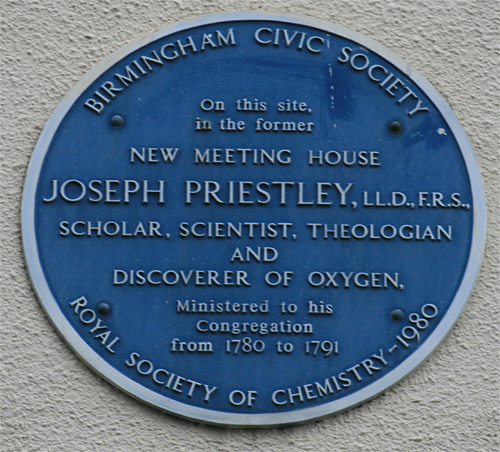
Birmingham has been England’s capital of organized religious refusal for two and a half centuries. England has a state church, the Church of England, and into the nineteenth century full participation in public life required conformity to it. Protestants outside it, called Dissenters, were barred from Oxford, Cambridge, and much of public office, so they went into industry and science instead, and Birmingham became their capital. The city’s Lunar Society included James Watt of the steam engine and Joseph Priestley, the chemist who first isolated oxygen and preached as a Unitarian minister. In 1791 a mob shouting for Church and King burned Priestley’s house, his laboratory, and the city’s Dissenting chapels. Refusing the official religion is Birmingham’s oldest tradition. When, two centuries later, preachers went looking for a band to accuse of serving the devil, they found one in the right town, and the fact that the Crown now decorates that band’s guitarist, a month after Birmingham’s own Lord Mayor honoured him first, is an irony made for this city.
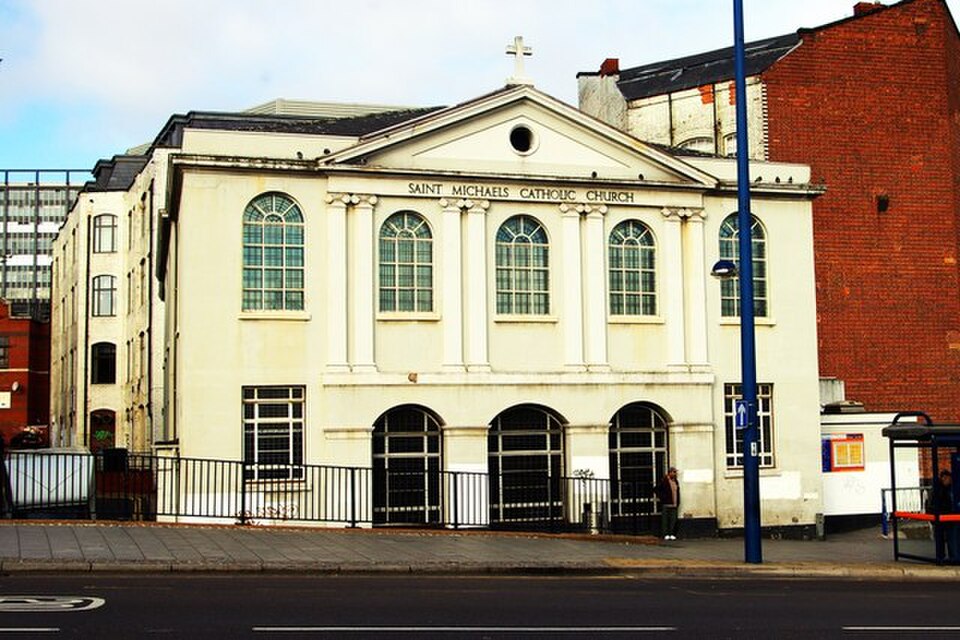

In 1965, at seventeen, on his last day at a Birmingham sheet metal factory, Tony Iommi was assigned to an absent coworker’s guillotine press, a machine he had never operated, and it took the tips of the two fingers he fretted with. The fingertips traveled to the hospital in a matchbox; the grafts failed. The doctors’ advice, according to his memoir, was that “the best thing for you to do is to pack up.” He instead melted a Fairy Liquid bottle, pierced it with a soldering iron, and sandpapered it for hours into a thimble for the ruined finger, and after the factory manager brought the recovering teenager a Django Reinhardt record, proof that two working fingers could be enough, he kept playing. The band he formed wrote horror music about the devil the way Hammer Film Productions made horror films about him, but their own beliefs pulled in different directions the whole time. Geezer Butler, who wrote most of the lyrics, was a Catholic devout enough to be genuinely frightened by his own occult reading, and his songs were warnings, not celebrations. When an occult sect invited the band to play a rite at Stonehenge and was refused, and answered with a curse, Iommi writes that all four men dreamed the same dream about wearing crosses for protection. Ozzy hung a kitchen-sink tap on a string around his neck until his father made the band aluminium crosses on his factory tea breaks. Ozzy’s own memoir calls the curse “what a load of bollocks,” but he wore the cross anyway. The inverted cross on their first album sleeve was the label’s idea, and the band disliked it. Ministers picketed their shows with banners calling them satanists all the same. The devil was never Sabbath’s choice. He was assigned to them, by marketing men and preachers, and what the genre did with the assignment is its real founding act.
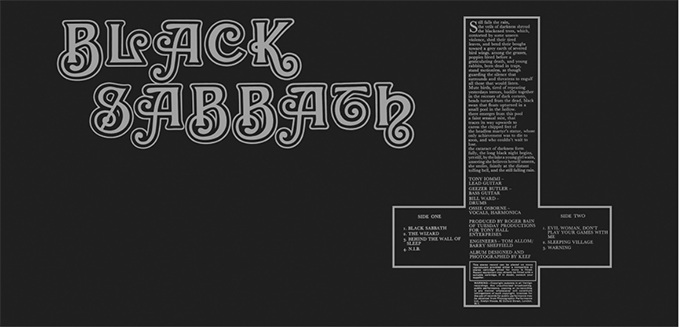
What it did was own the insult, and own it in jest. The pattern is familiar from every persecuted group that has taken possession of its own slur, and metal did it with a grin. In 1982 Venom coined the term black metal for music its own members treated as horror-show entertainment. The most famous self-declared Satanist the genre produced, King Diamond, follows the church of Anton LaVey, which does not believe Satan exists. Slayer stacked pentagrams on their album covers while their singer remained a Catholic. Powerwolf, today one of Europe’s biggest live draws, performs in bishop’s vestments and has entire festivals chanting “Metal is religion,” and no one in the crowd has been converted to anything. The one time anyone took the accusation at face value, in the Norwegian scene of the early 1990s, when the church burnings were real, the genre recorded it as its great scandal rather than its fulfillment, and the crowd still carries that verdict: eighty-eight percent of my respondents reject the burning of churches, while the same data shows metalheads rating Satanism higher than major religions. The baphomets and pentagrams are everywhere, but the belief is almost nowhere, and everyone inside knows it.
An identity with jest at its center has no doctrine, and that single absence explains several facts about metal that look unrelated. It explains why the genre remains obsessed with religion: the church is its inherited opponent and its standing punchline, and the artists who engage the subject seriously mostly do so because they dislike religion and enjoy mocking it. Fifty-six percent of my respondents agree that metal challenges religion more than any other genre does, and thirty-one percent say that critique is part of why they love the music, a question that would not even make sense asked at an EDM show. This explains, at the same time, why most fans and most giants never needed the subject at all. A costume demands no conviction, so Metallica could basically ignore theology for forty years and lose nothing, though even there the register was available when wanted: “The God That Failed” is James Hetfield writing about the Christian Science faith his mother died refusing treatment for. Ninety-four percent of my respondents were raised in a religion; eighty-three percent now follow none. For the most part, metal did not do that to them, since only twenty-six percent agree that metal helps them live without religion. The West secularized on its own, and a scene that jokes about damnation asks nothing of the people arriving, believers, unbelievers, and clowns alike, which is exactly the mixture Sabbath already contained. And it explains the missing kings. A creed needs guardians, and guardians become authorities, and authorities produce a head. The jester is no guardian. Entirely serious critics of religion certainly exist in the space, but the bigger they get the more jesters appear in their pits. Asked to rate elitism, my respondents score it 1.9 out of 7, among the most rejected ideas in the entire survey, and the scene’s oldest insult, poser, applies to people caught claiming an authority nobody is entitled to. When this culture does build itself a throne, it builds the throne as part of the act. The closest thing metal has to a pope might be Papa Emeritus, the satirical anti-pope fronting the band Ghost, replaced every album cycle like a running gag. And the newest act to resemble a king, the Sleep Token, which Download crowned last year, performs worship of an invented deity with no doctrine whatsoever. It is religion the only way metal will have it: without doctrine, for each listener to fill in on their own, while the rest of the scene refuses to count it as metal.
The disagreements the crowd does take seriously point the same way. Of the roughly seventy opinion questions on my survey, covering immigration, class, and war, the single most divisive was whether it is acceptable to burn a Bible on stage. Thirty-six percent said yes, fifty-one percent said no. A community with a real anti-religious creed would have settled that question long ago. What the split shows is a community still arguing about the limits of its own joke, which book, which stage, how far. That is the only law metal has ever needed: not what to believe, but how far the mockery may go.
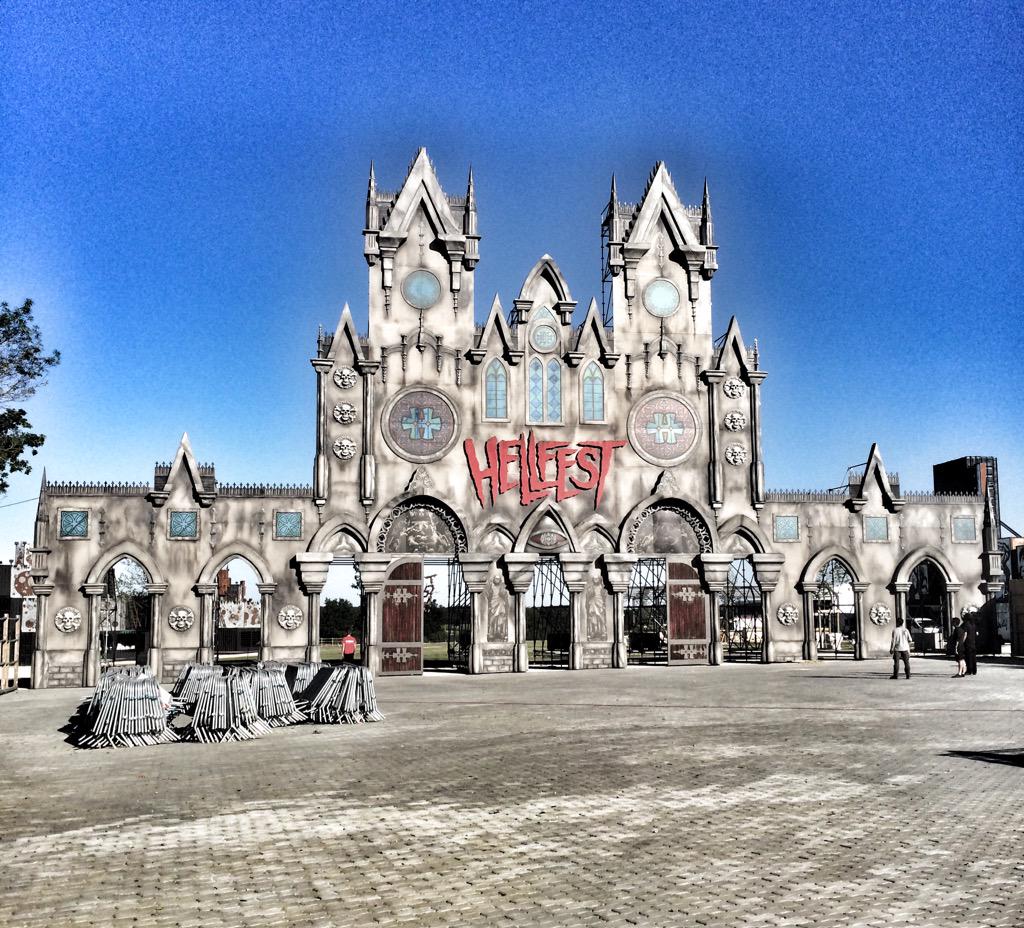
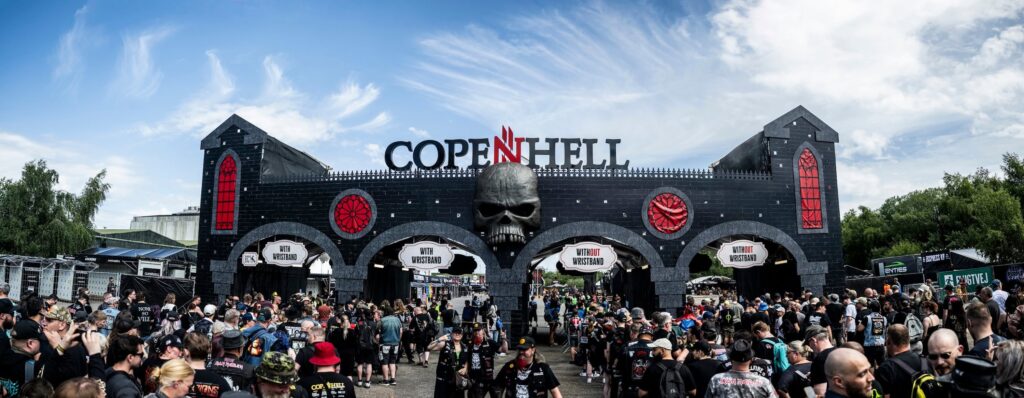
There is also a plainer reason the giants stopped coming. The giants of 1985 to 1995 were built by machinery outside the genre: centralized radio, MTV, and the album economy. That machinery collapsed for every kind of music at once. Genres with internal ways of crowning stars kept producing them; hip-hop treats the crown as a title to be fought for in public, and country has institutions in Nashville that anoint. Metal had no internal substitute, for the reason just given, and so when the external machine stopped, nothing replaced it. The atheist crowd and the missing giants go hand-in-hand.
The honest summary of metal’s last two decades is a trade. The genre gave up the center of the culture, and Beato is right that it did. There will be new headliners of the field, but probably never again a band that stands for the whole genre before the whole world. What it kept is the thing the giants never actually provided: an identity any teenager can put on, any band can serve, and no one can own. The survey shows what that is worth. The gates still work, the twelve-year-olds still arrive, and the newest members listen hardest.
Which returns the argument to the medal. The honours system recognizes persons, so when Britain decided metal deserved recognizing, it reached for the founder, the nearest thing to a king the genre ever produced, eleven months after the most comparable figure was buried. Beato stands at the empty throne and asks where the successor is. There is no successor, and there was never going to be one, because the fields that the kings came to were never meant for thrones. Fifty-six years ago, preachers called Tony Iommi’s band devil-worshippers. This summer the King called him a Member of the Order of the British Empire. Between those two verdicts lies the history of the genre: an insult picked up and worn as a costume by millions of people who mostly stopped believing in the devil they were accused of serving. Iommi earned the medal several times over, the fingers, the factory, the cancer work, the sixty years of riffs. And at the festivals nothing changes: eighty-odd thousand people in a German field, twelve-year-olds arriving through a door with Metallica’s name on it, unknown bands playing at noon to crowds that treat showing up as the whole point. He answered the doctors with a melted bottle, and answered a curse with aluminium crosses his bandmate’s father made on factory tea breaks, and the band sold the crosses at the gigs, which suggests they understood from the start what kind of thing they were building. It is also why the British Crown honouring one of metal’s antiquated kings does not need to feel like Iommi sold out. There is no one to follow suit. We can nod our heads at the glamour and the glitz, and make our way straight back to the muddy field.