
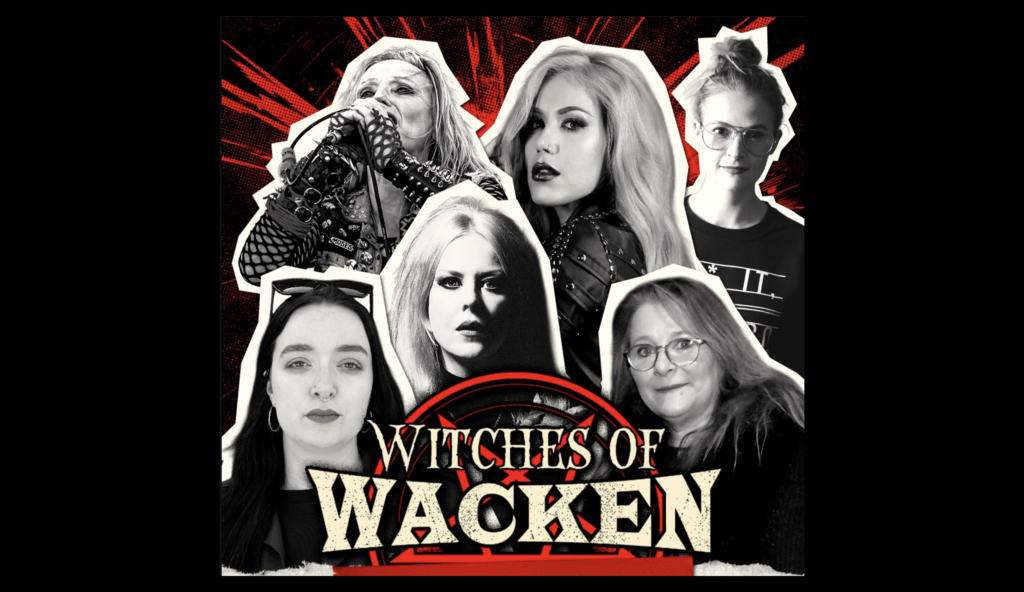
Alissa White-Gluz had been the singer of Arch Enemy for about six months when a reporter in Phoenix asked her the hardest thing about being a woman in metal. She did not say the touring, or the calls from the pit, or the photo shoots, but the “tendency to doubt our authenticity.” Nobody ever asks a guy why he is doing metal, she added. She talked about this on a panel in August, “Witches of Wacken,” and the data from my survey study has some surprising contributions to add to the conversation.
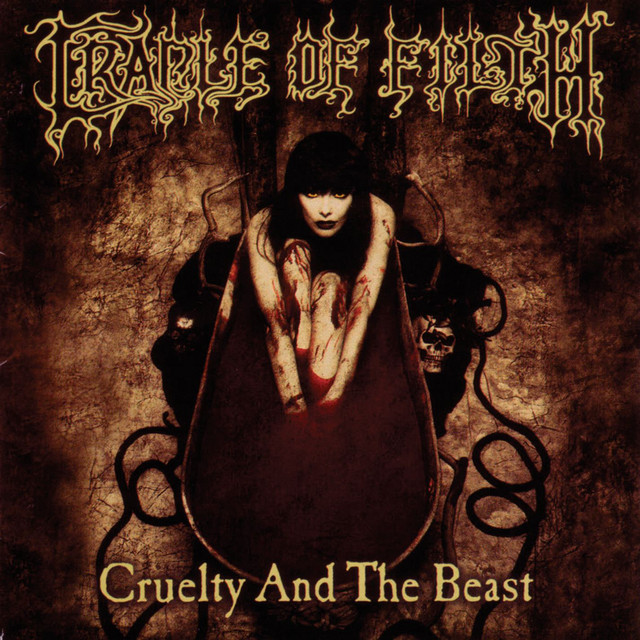
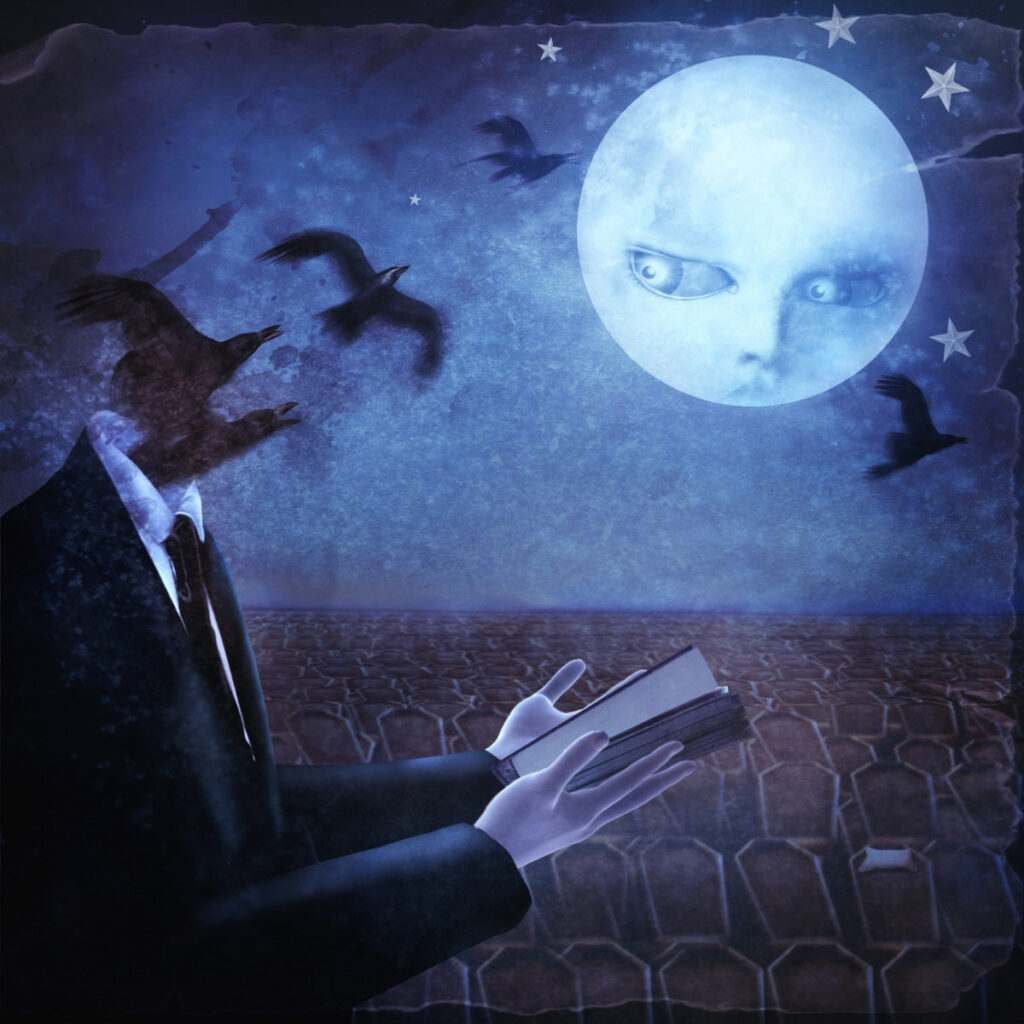
I still have old diaries from my teens with pictures of Dani Filth glued into them. Cradle was one of my gateway bands, and looking back with the honesty that distance allows, some part of that must have been his face. And yet, no one suggests that Cradle of Filth got where they got because their singer was pretty. You won’t hear metalheads arguing that Cruelty and the Beast is a masterpiece for some reason other than its sound or what it has to say. But with Lullabies for the Dormant Mind, suspicions are liable to creep in that more basic male desires lay behind its masterpiece status. Consider the cruelty and the irony that Dani got to put a naked woman on the cover of his early masterpiece, while Alissa, an exceptional painter in her own right, commissioned a surrealist avian-headed storyteller for the cover of her early masterpiece, and yet somehow it is Alissa whose sex appeal colors her success.
Let’s be honest about the difference. Metal crowds are mostly men. At Hellfest, France’s biggest metal festival, about three in four are men even now, and it was far more lopsided when Alissa started. Put a woman at the front of a room like that and her sex appeal is going to do more for her than Dani’s ever did for him. I suspect she would concede this. In 2014 she told an interviewer that if she wanted to look sexy she would, and the audience would keep listening because the music was good. I listened to Alissa speak recently on a panel called “The Witches of Wacken,” a name which this piece will have much more to say about, and she explained she has learned to own the label “woman in metal” rather than feel diminished by it. I took her to mean something close to this: that being a woman is a considerable part of the attention her art has attracted, that she accepts this, and that it has driven her to prove she is a great deal more than that. She is talented. She is beautiful. Sorting out which mattered more is an impossibly subjective exercise. I will only say that beauty probably mattered more for her than it did for Dani. Both are gifted and gorgeous. The commonality does not dissolve the asymmetry. For him the face was a bonus and the talent is assumed. For her the face was an explanation, offered by other people, for everything else, and you do not need to agree with everything she says to recognize how exhausting that must feel.
You will search the professional press mostly in vain for a byline saying she got the Arch Enemy job for her looks. Metal Hammer and Blabbermouth wrote about big shoes and how she filled them; Michael Amott took to saying she had brought her own. The doubt is not displayed quite as prominently as that. It surfaces in the questions journalists ask, and in the comment sections underneath, which is where sociologists who study this genre say its sexism lives. Revolver named her among the “Hottest Chicks” in Metal in 2007, when The Agonist had one record out, and again in 2009. A fan-site critic who scored Lullabies nineteen out of twenty went on, three years later, to explain the band’s rising sales by the label’s marketing and by their “blue-haired vocalist/sex symbol,” and misspelled her name twice while he did it. A ticketing-site review of an Arch Enemy show dismisses her, against Gossow, as a glam rocker without the passion, coded but bare derogation. And then there is another, more subtle version of the tarnish. Gossow is vegan; Alissa has been vegan for over two decades and is one of the most visible animal-rights voices in heavy music, and a certain kind of listener hears that and files her under some stereotype of just a girl who cares about piglets, an unserious mind. Oh boy, if only you would have read The Agonist’s lyrics.
So this piece is about that doubt, but it is not only about that. It is about what women in this genre have done with the doubt, the monsters they name themselves after, what those names mean, the “witch” label under which Alissa and five other women sat at Wacken this August, the old and quite serious argument about whether a woman can take on the images misogyny made without becoming them, and, crucially, what the crowd actually thinks about all this, because the fans on the other side of the barrier is the half of this story which nobody else has the data to consider thoroughly. That last part I can tell you, because I asked a whole lot of them.
This summer I passed out a clipboard with 112 questions on two double-sided sheets over 1,500 times, across thirteen festivals in Europe and North America. 209 respondents filled out the forms at Wacken. One question on the survey asks if metal has a misogyny problem. The answers are not what either side of the argument might expect. 15.8 percent agree, and at Wacken 16.2. Women agree at 19.9 percent and men at 12.7. Alternatively, asked whether metal is a space where outsiders can belong, 87.7 percent agree, with no gender gap at all. Still, a clear majority, even among women, say there is no misogyny problem. This majority position describes a real climate of inclusion, and I felt it all summer in crowds fuller of women than any account of the genre would prepare you for. But when a sixth of a community accuses that community of holding a prejudice, it remains to be said that this is a damning number. And it is more damning than it looks, because of the three prejudices I ask about, misogyny comes out on top as the worst. “Metal has a racism problem” draws 15.2 percent agreement and “Metal discriminates against LGBTQ people” 9.2 percent, against 15.8 for misogyny. And misogyny is also the one on which women and men disagree most sharply. Who says yes, and why, and what Wacken’s crowd wanted from a panel about women, come later. First, the thing being measured.
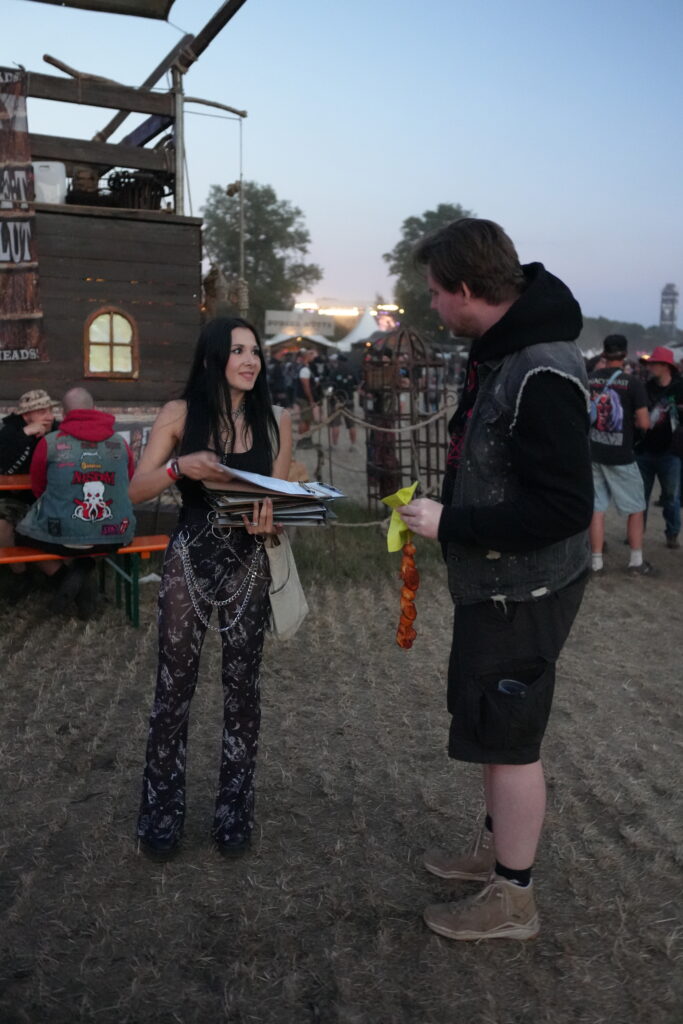
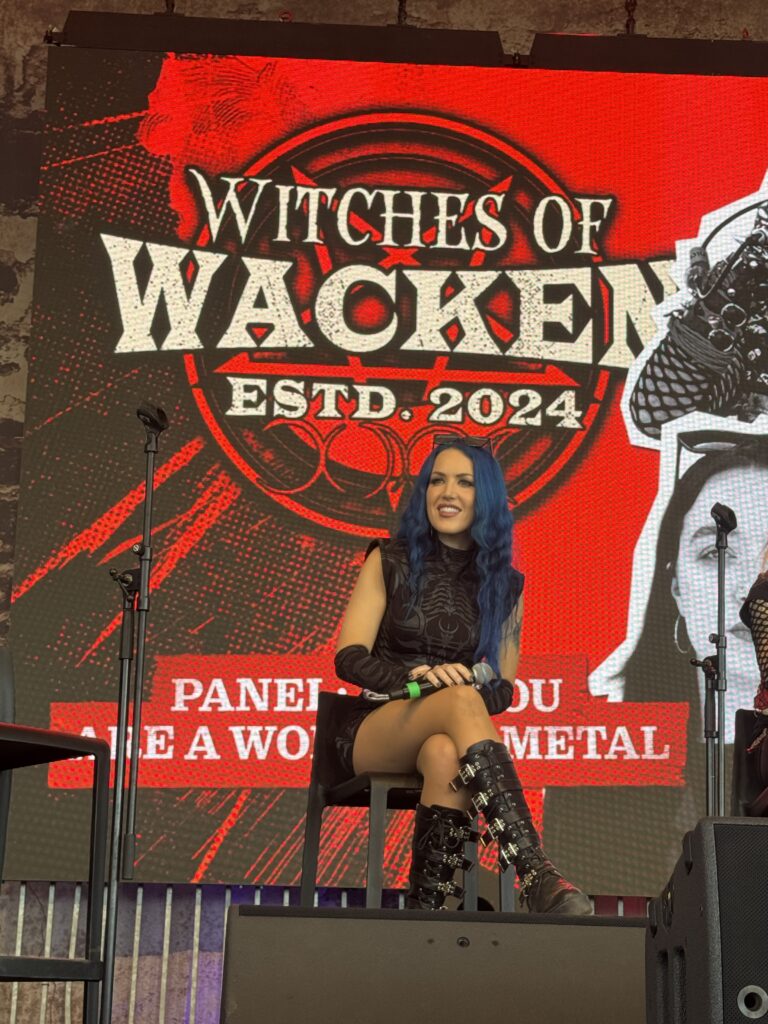
The English portion of the panel began with Alissa being asked to address those three words: “woman in metal.” This formula has haunted her whole life, she said. You cannot be Alissa, or Sabina beside her, or a singer or a drummer or simply a great front person, but you exist as an archetype, the thing people feel the need to put a label on. The industry’s polite version of the label is “female-fronted,” which she has been refusing since her first Arch Enemy press cycle. Why can’t we refer to bands as “male reared,” she asked only half-jokingly.
Sociologists have a name for what the label does. They call it the “accentuation effect,” and it works like this: the mind sorts by whatever feature is marked before it sorts by anything else, and in this genre a woman at the microphone is the marked feature, and the sorting ends there. Alissa’s own list, from a 2018 video, runs through Nightwish, Arch Enemy, Lacuna Coil, Butcher Babies, four bands with almost nothing in common musically, mushed together because of the gender of one member. At Wacken she described her own first tours, with Epica, a band whose music could not be more different from hers. Her label sent The Agonist out with Epica because both had a woman up front. She is grateful for it, she said, they are friends to this day, but still the gender of one person in the band, which has no bearing on taste or skill, became the category for the band, which is why she calls such things “sort of insignificant facts about bands.” She did not pretend the label had cost her nothing but also did not pretend it had given her nothing. The label got her the Epica tours. It got her onto Revolver’s pages twice before Arch Enemy called, where she sent them a photograph a friend had taken and, as she put it in 2014, took the whole thing with a grain of salt. And the same label is what invites the doubt.
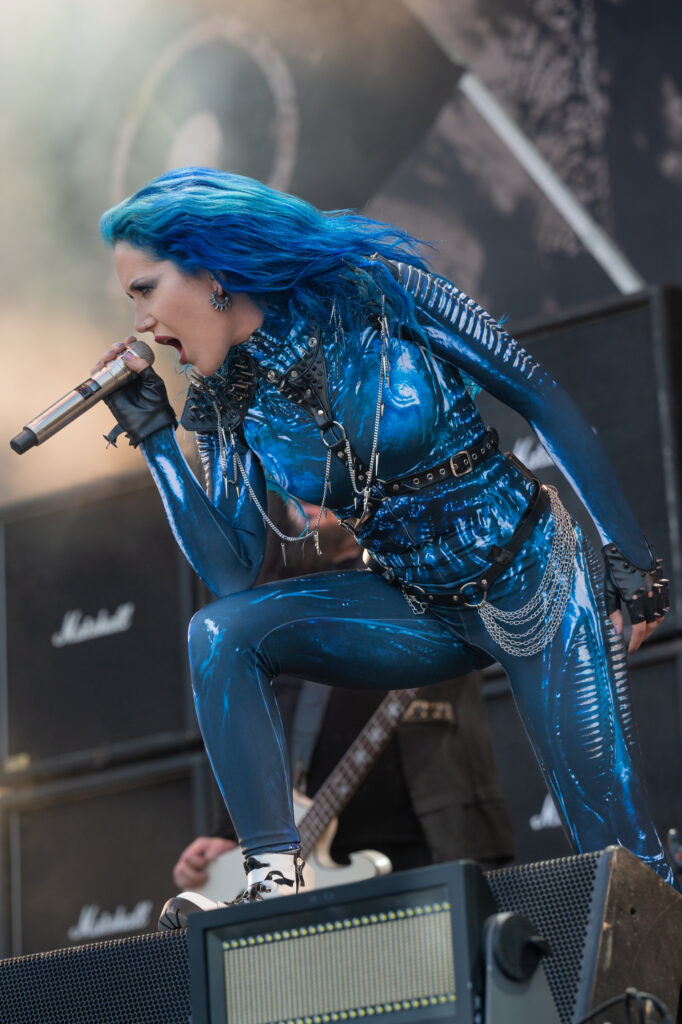
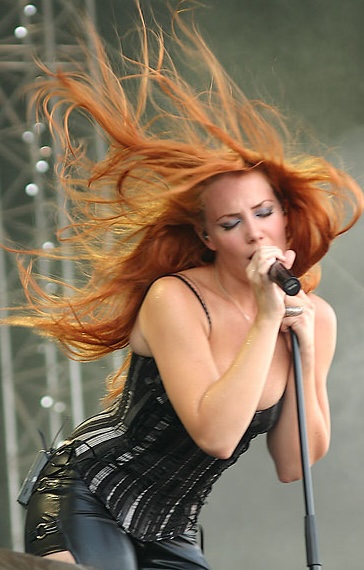
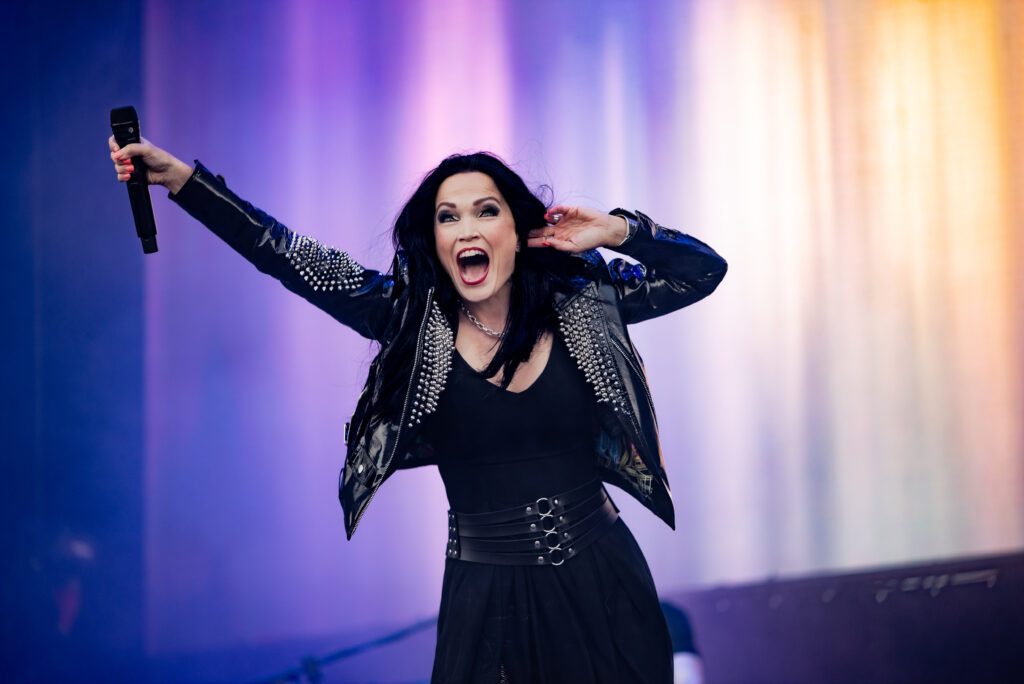
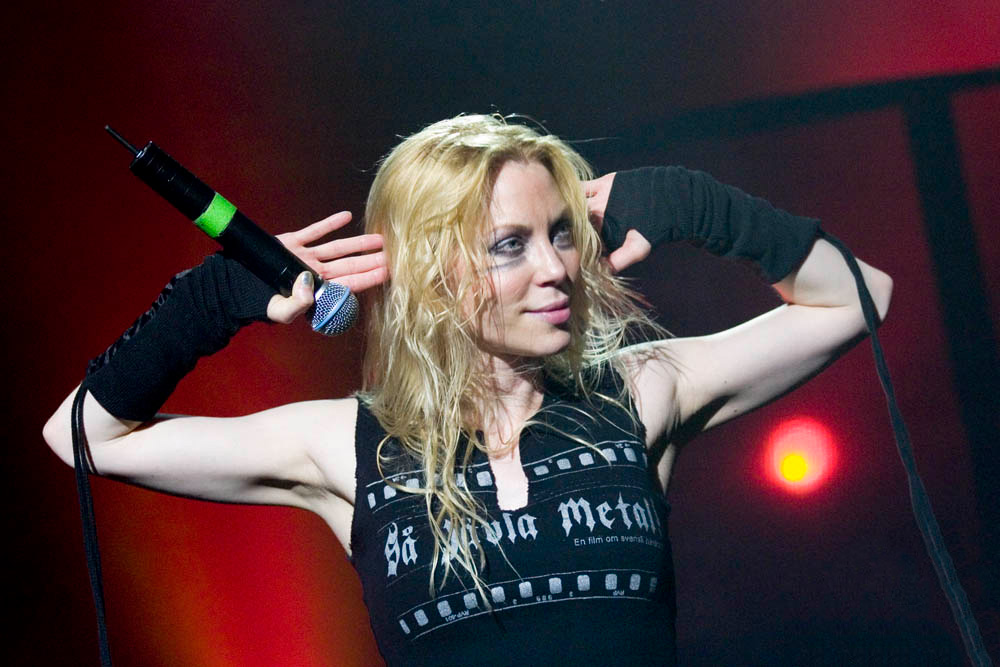
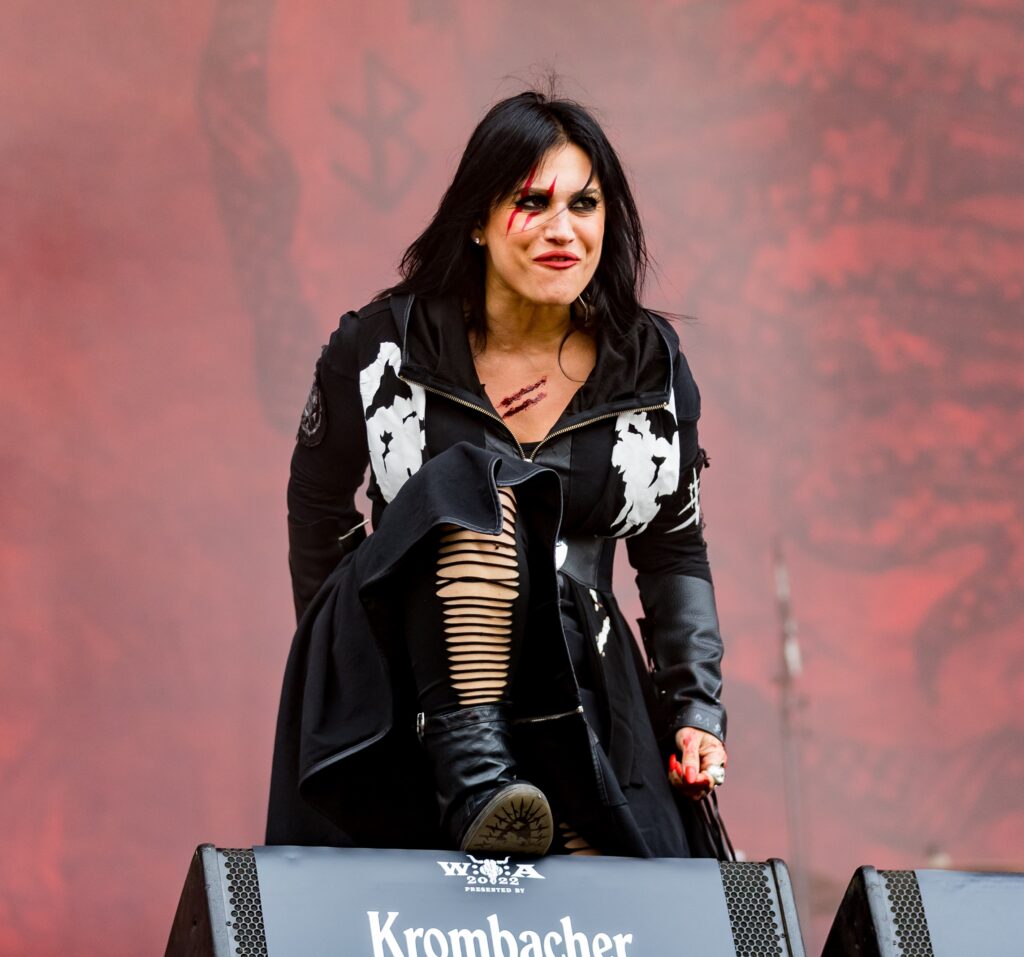
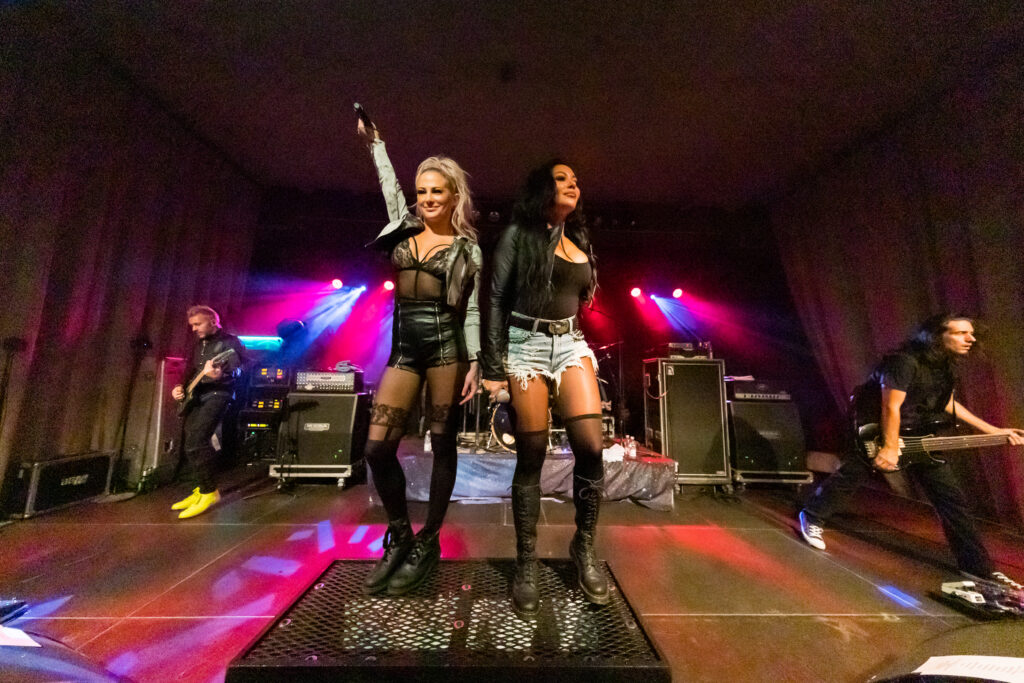
On the panel at Wacken she appealed to gender’s insignificance. You come to Wacken for one reason, she said, that reason is metal, “and that’s just one word.” Taken too literally, the statement is absurd. Metalheads look at each other. The people in that field enjoy a little people-watching with an eye for beauty, whatever their gender may be. What makes metal unusual is not that the looking is absent but how far down the list of priorities it sits. It is there. It is nowhere near as there as it is on an EDM dance floor. A metalhead who announced he was going to Wacken to check out the girls would be laughed out of the campsite, whereas at events for other genres the same sentence would pass as a reasonable plan for a weekend in a tent. Here is a thing that metalheads can be rightly proud of.
So how can it be true, and my one-in-six be true, and her own three haunting words be true, all at once? They are true about different parts of the scene. Coming only for one word, “metal,” describes the crowd, and the crowd has earned it. The data we have for Hellfest says women were about 3 percent of the audience at the first edition in 2006; a sociologist who has surveyed the festival since found 18 percent in 2011, 24.5 percent in 2015, and 27 percent in 2022. The pit is learning not to care who you are, and it cares less every year. But the three words, “woman in metal,” still describe what happens on the stage. In 2018 a French newspaper counted about fifteen bands with any woman in them among Hellfest’s 160, and one made up entirely of women. Metal Archives, the genre’s database of record, still counts women at about 3 percent of all metal musicians who have ever recorded. The doubt begins at the exact point where a woman steps out of the crowd and onto the stage. A female musician will have to answer for why she is doing metal, but then she can step out into the grounds with eighty-five thousand people who genuinely care little about her gender.
My numbers say that most metalheads recognize the inclusive side of the coin and do not notice the other side as a problem. Interestingly, what predicts saying yes to the misogyny question is not, mostly, being a woman. It is politics, and it is youth. Among the metalheads I surveyed who place themselves on the left, 25.9 percent see a problem; at the exact political center, 6.7 percent; on the right, 5.8. The center answers like the right. Among women under twenty-five, one in three says yes; among men over forty-five, one in eleven. In a community whose deepest belief about itself is that the music counts above all else, saying there is a misogyny problem is an attack preferably dismissed. The generation that takes it most seriously is the one for whom women in metal are normal. Angela Gossow predicted this in 2009: the twelve-year-olds, she said, take a woman growling for granted. They do, and precisely because they do, the doubt women face is more likely to offend. What is negligible to a veteran who remembers when a woman on stage was unthinkable seems obvious to a girl who never thought it was.

Which brings me to Blue Medusa, its name, and how it bundles up so much about how we grapple with human evolution’s misogynistic trajectory. Alissa left Arch Enemy last November after eleven years, and she launched her new band Blue Medusa this March, on International Women’s Day, all women by design. She told the panel she had always wanted more women around her on the road, and then that the musicians she chose were hand-selected only for their playing ability, a contradiction I am not sold on, but I do not think she needs me to be. No man forming a band in this genre has ever had to explain why his bandmates happen to be men. The reflex to even talk about this is more evidence of the doubt, anticipated and answered before anyone sitting on the benches could raise it. Then the name itself. She wanted to call the band Medusa. She loves the symbolism, she said. There are, she explained, about a million bands called Medusa already, and so she needed another word. The panel spent some good time on the source of that added word, which I will omit here as less than à propos, but you can watch for yourself in the video if you must. When the focus was back on the second word, Medusa, the moderator asked what it shows. A Greek woman who turns men to stone: is that a message? “It’s a warning.” The moderator moved on. Alissa continued, “No, it’s true.”
So it matters which Medusa Alissa chose. She chose the weapon, but on her own terms, emphasizing the deterrence, which happens to be the oldest reading. Long before Ovid’s version with the Gorgon’s elaborate backstory, Greek soldiers painted the face on their shields, and Athena wore it on her armor, for one reason: a horror displayed makes the enemy flinch first. Scholars call this “apotropaic.” Considering everything Alissa has said about the doubt women in metal face, it becomes clear she brings more authenticity to the band name than any of the other presumably male-fronted bands on Metal Archives could dream of. Medusa is the myth of a beautiful woman punished for being looked at, whose face then punishes the looker. It is the shape of the problem Alissa has been describing for well over a decade, the woman whose visibility is held against her, and “a warning” is that shape turned inside out, a woman prepared to “show them how it’s done,” with the track record, musically and lyrically, to back up the confidence. It is also an answer to a fair objection: does not a feminist reaching for the bestiary misogyny built just accept the enemy’s portrait? Barbara Creed’s The Monstrous-Feminine argued in 1993 that horror’s female monsters, the witch, the possessed girl, the woman with the killing gaze, are men’s nightmares about female power, dressed up and put on screen. Remarkably, in 2023 she reissued the book with a new verdict: over the past two decades women have been writing and directing those monsters themselves, and in their hands the same figures have become weapons against the order that invented them. Her condition is as simple as it is decisive: authorship. Gossow refused the Hottest Chicks cover four times, because she felt that was some other author’s story about her. Alissa accepted the title, twice, and then named herself the thing that stops the looker dead. Don’t make me choose which approach is more badass.
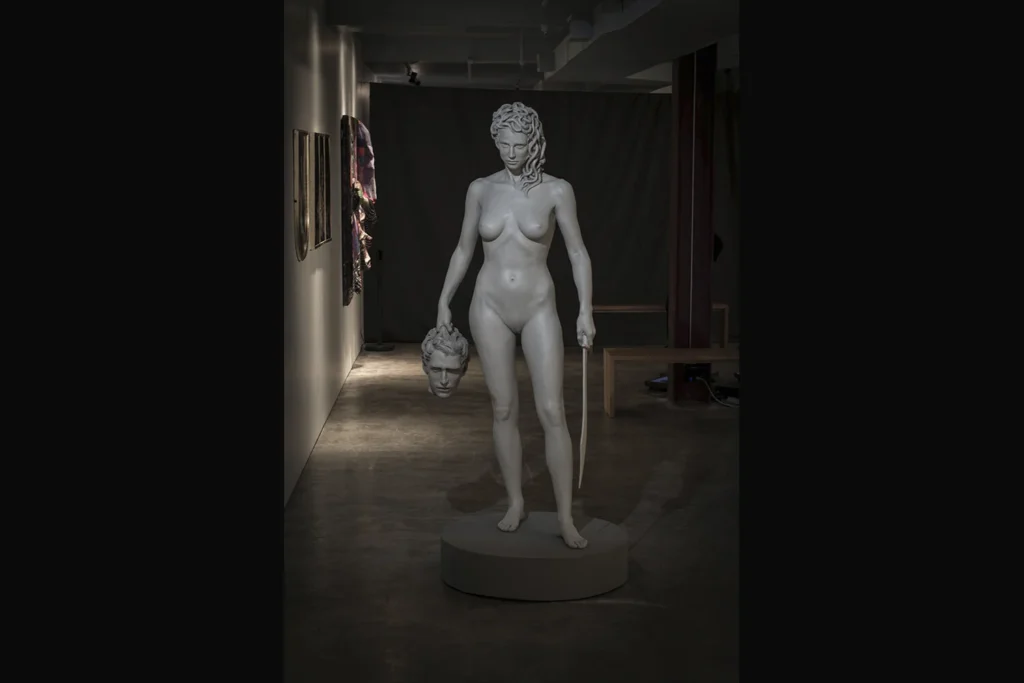
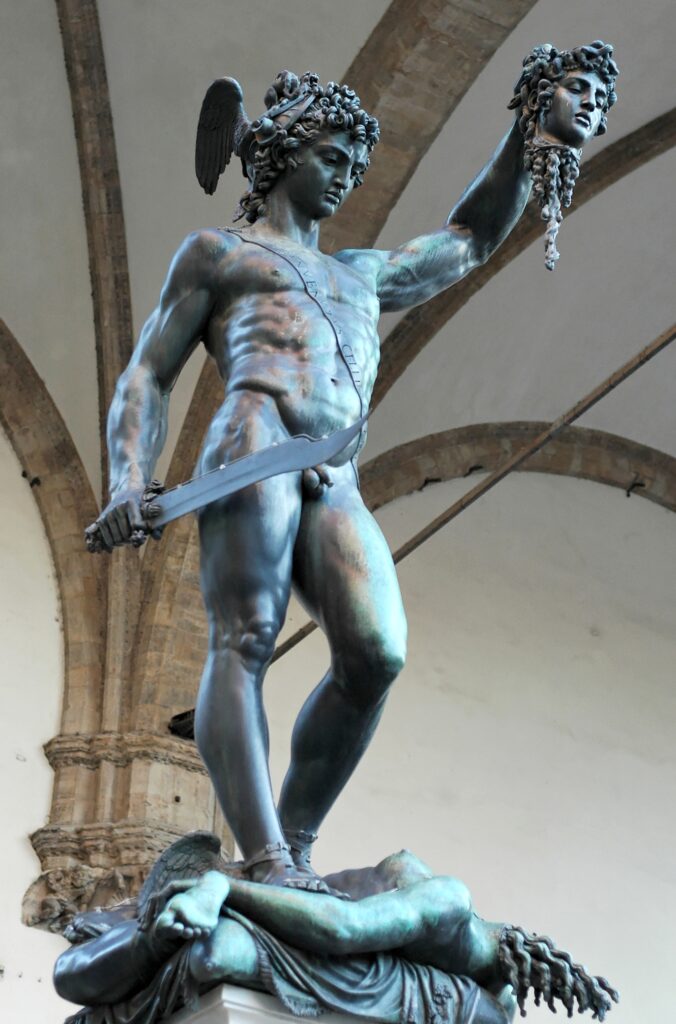
In Ovid’s version, the one the West inherited, Medusa is a beautiful woman raped by Poseidon in Athena’s temple. Athena punishes her, not him, with snakes for hair and a face that turns anyone who looks at her to stone. Perseus creeps up on her in her sleep, using a polished shield as a mirror so as never to look at her directly, cuts off her head, and uses it as a weapon until Athena mounts it on her own breastplate. These are not images women made. They are images misogyny made, in centuries far crueler to women than ours, and in the last decade two very different modern readings of them have fought over the same face. The first is Medusa the victim. In 2008 an Argentine-Italian sculptor named Luciano Garbati made a statue called Medusa With the Head of Perseus: the myth reversed, a naked Medusa standing with a sword in one hand and Perseus’s severed head hanging from the other. Photographs of it went viral in 2018 at the height of MeToo, and in October 2020 a seven-foot bronze of it was installed in Collect Pond Park in Lower Manhattan, deliberately across the street from the criminal court where Harvey Weinstein had just been convicted. Garbati’s own defense of it: “How can a triumph be possible if you are defeating a victim?” The second reading is Medusa the weapon, and it is still in use. Cellini’s sixteenth-century bronze of Perseus holding Medusa’s head, in Florence, is the template, and in 2016 supporters of Donald Trump sold t-shirts and coffee mugs with his face on Perseus and Hillary Clinton’s on the head. Angela Merkel’s face has been pasted onto Caravaggio’s screaming Medusa more times than I could bring myself to count. When the comedian Kathy Griffin posed the following year with a fake bloodied head of Trump, the mirror image of the mugs, CNN fired her within days. The symbol travels freely in one direction only. The classicist Mary Beard has described this and her verdict is bleak. Feminists have been trying to take Medusa back for fifty years: in 1975 the French theorist Hélène Cixous told women the monster was a story men told to frighten them, and that seen straight on she is beautiful and laughing. Since then, as Beard catalogues, the face has become a feminist emblem, a protest sign, even the Versace logo. And Beard’s verdict is that all of it has made “not a blind bit of difference” to how the image gets used against women who hold power.
The group behind the “Witches of Wacken” panel is doing a version of Alissa’s move, something I want to press on rather than let pass as cute or coy. Metal is a rare culture where monster is a compliment. The men paint themselves as corpses and scream as demons by design. Gossow told a scholarly panel in 2009 that on stage she was not a woman playing a monster but a being, past gender, and that the aggression was simply aggression. So a woman taking a monster’s name in metal is not accepting exile. She proclaims her citizenship in a republic of monsters. But the names the women take are not just any monsters. They are, again, defined by gender, precisely the she-monsters misogyny invented: the witch, the Gorgon, the siren, the scarlet whore. Behind the panel’s name, there is, of course, a very real body count. Tens of thousands of women were tortured and executed under that word in early modern Europe, and the German lands, where this panel sat, were the epicenter of killing. Why reach for the enemy’s bestiary? The historian of religion Per Faxneld traced that question through the nineteenth century and found the same pattern every time: opponents of women’s rights called feminists witches and devil-worshippers, the insult welded the witch to feminism, and feminists picked up the creation and used it anyway, the same way so many historically oppressed groups reclaim their own slur. Every attack recharges the symbol. That is why Sabina Classen could growl her way into a band in 1981 and be called a monster, and why forty-five years later a festival panel could seat her in front of a screen reading Witches and mean it as praise. Of the numerous intellectual disciplines I ask respondents to rank metal’s engagement with, Wacken’s crowd outscored the rest of the dataset on precisely one: mythology. Whoever named the panel, by strategy or by instinct, named it with a vocabulary this crowd reads with pride.
But still the audience was modest. It was organized with Female Fronted Rock e.V., a young nonprofit out of Kiel, an hour and a half up the road, whose chairwoman Carola Eckholdt sat on it, whose flagship event is a club festival in Kiel made up of bands led by women, and whose name is the label Alissa has questioned for twelve years. The panel did not hide that. When Alissa called the label an insignificant fact, the moderator answered, gently, that the structures are still patriarchal and for now the label is still necessary. The panel was not on the poster. You found it by closely watching the festival’s social media. One of the festival’s founders proudly and very sincerely told me about the panel on women, however, understandably considering the small army of assistants I watched whisking him about, he did not have time to attend. Alissa did, at great cost apparently. The moderator, introducing her, said she had changed her flight to be there. And the crowd would have been less than 150 otherwise. After half an hour of the panel’s German-language opening, an elderly man beside me, who had plainly understood none of it thus far, leaned over and asked me in English what time Alissa would arrive. There was some of what one in six looks like from a picnic bench. Some of that crowd wanted the star as much as the subject. But, to give Wacken its roses, a crowd that is the oldest and most seasoned in my corpus, median age 39, median fifty lifetime concerts against twenty-six elsewhere, if we consider how strongly age runs against the misogyny question everywhere else, should sit at the bottom but instead sits right at the average. The panel may have been the start of something, but at this point we should not grandstand that Wacken is staging metal’s gender debate. It did let six women attract a small crowd; the potential to do more on a bigger scale is palpable but will take effort.
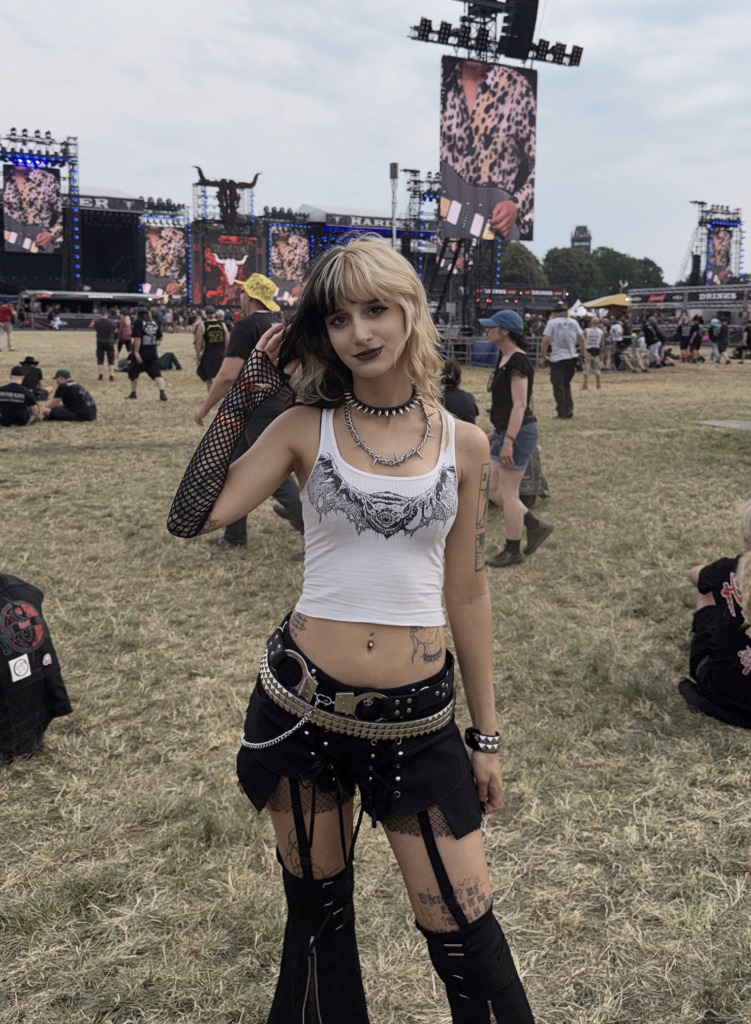
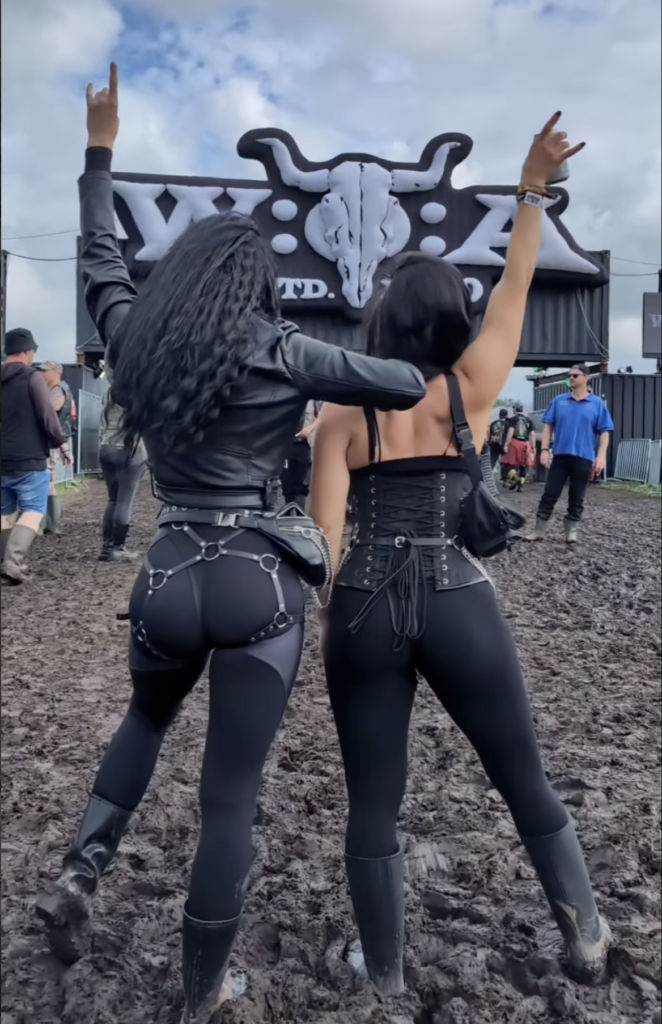
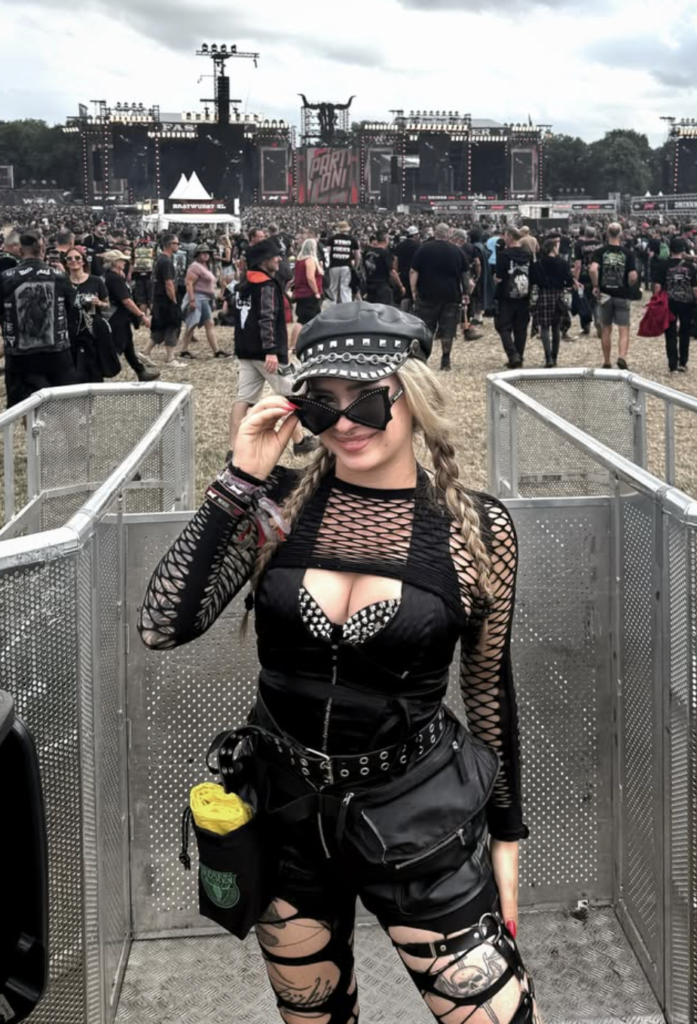
Wacken did something else this year. They invited several influencers, often young women whose feeds, let us be adults about it, are in fair measure built on beauty. Why not have hot girls at Wacken? If you can rack up 500,000 followers on Instagram by posting thirst traps, GRWM’s, or top tens, I sincerely salute you madam, and I hope that more festivals like Wacken treat you like the queen you are. But there are levels to this. Influencers are wonderful, but Wacken organizers tell me they are interested in more panels, more ideas, more thinkers, bigger audiences. Alissa is a queen among queens, not because she attracts the male gaze for an instant, but because she captivates that atemporal faculty so many metalheads cherish most about the genre: not the temptations of the flesh, but the waking of the dormant mind. Metal’s aggression hits so hard because it taps into the drive behind the tradition that produced Alissa’s Medusa, that ancient Greek obsession to fight for the good. Beauty may well be part of that, but only a part. Her facecard is fabulous. Her growl is glorious. Her mind is magnificent. θρεπτικόν, αἰσθητικόν, νοητικόν, the whole ancient package, still aspirational, Business Suits and Combat Boots.