
I handed out 154 longform surveys at Copenhell this year and the resulting data shows something remarkable about metal’s obsession with Satan.
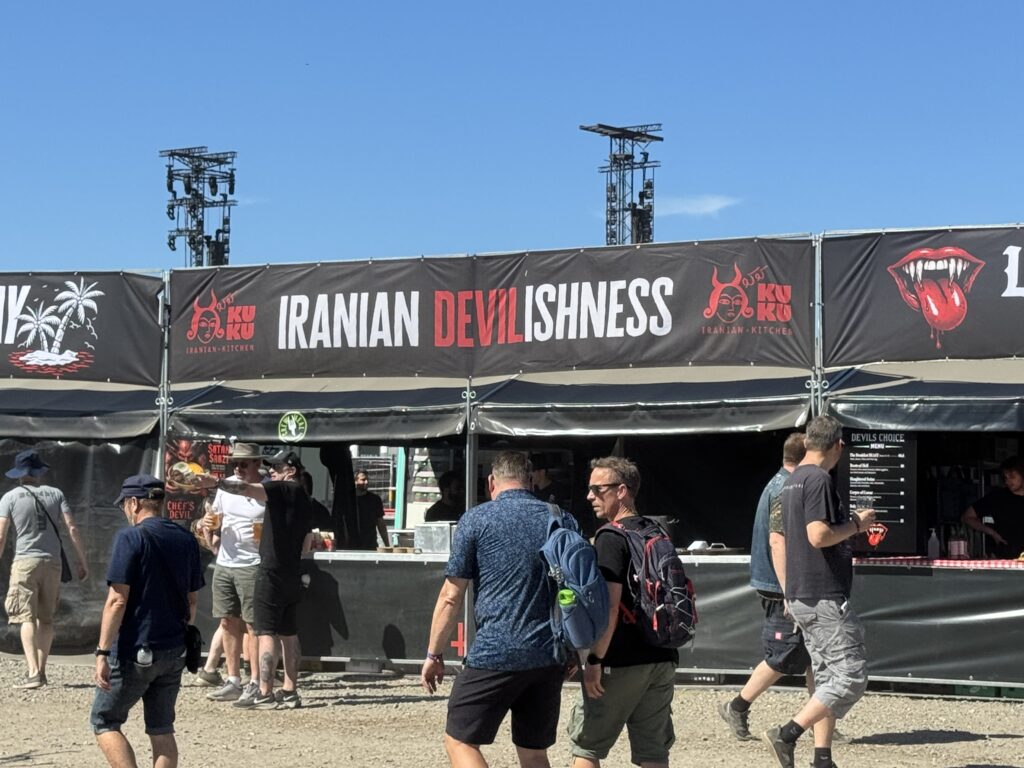
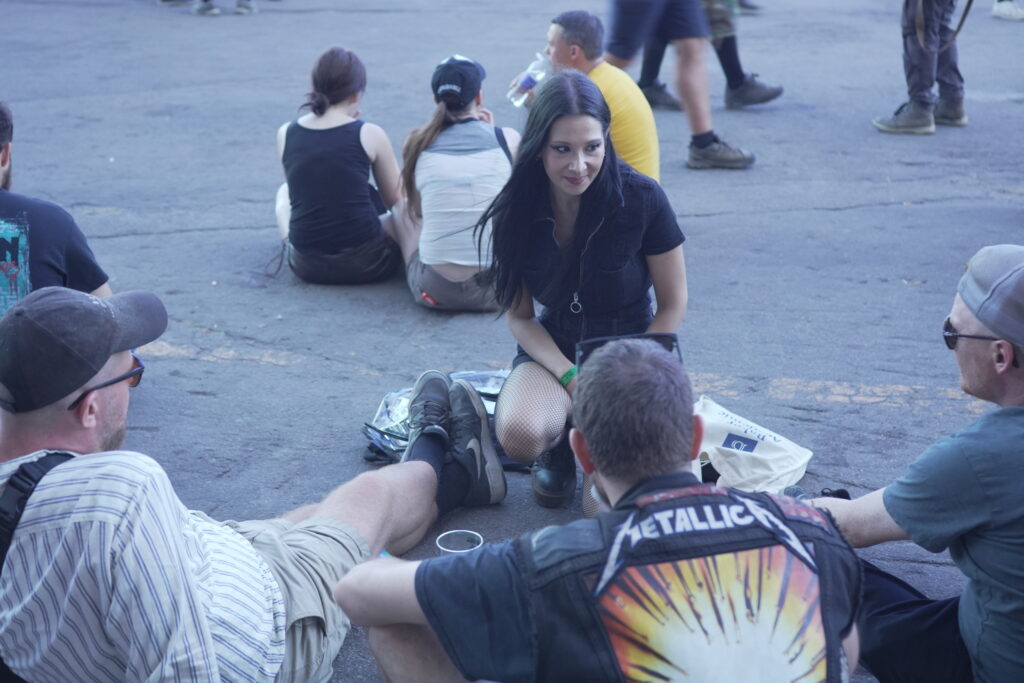
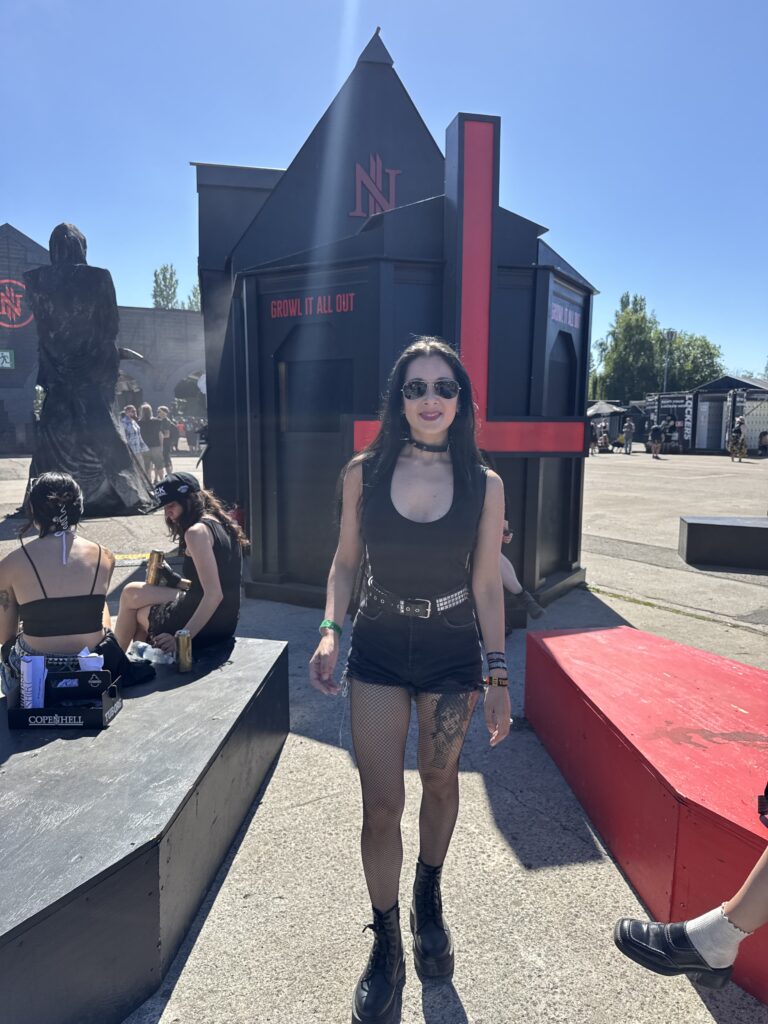
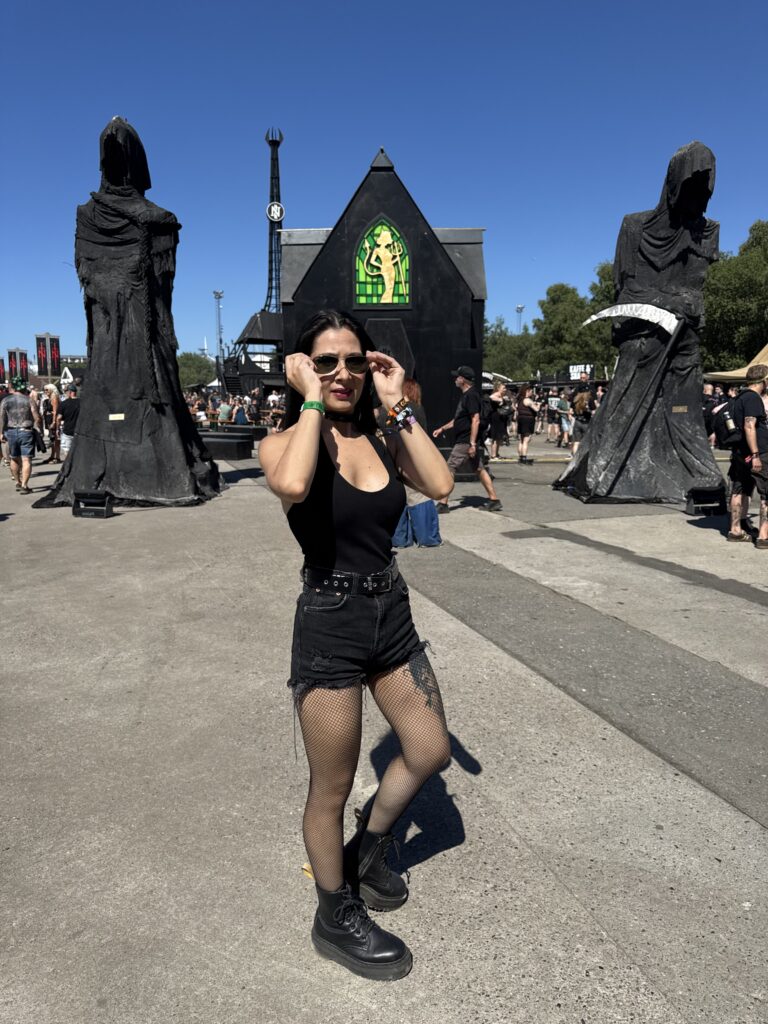
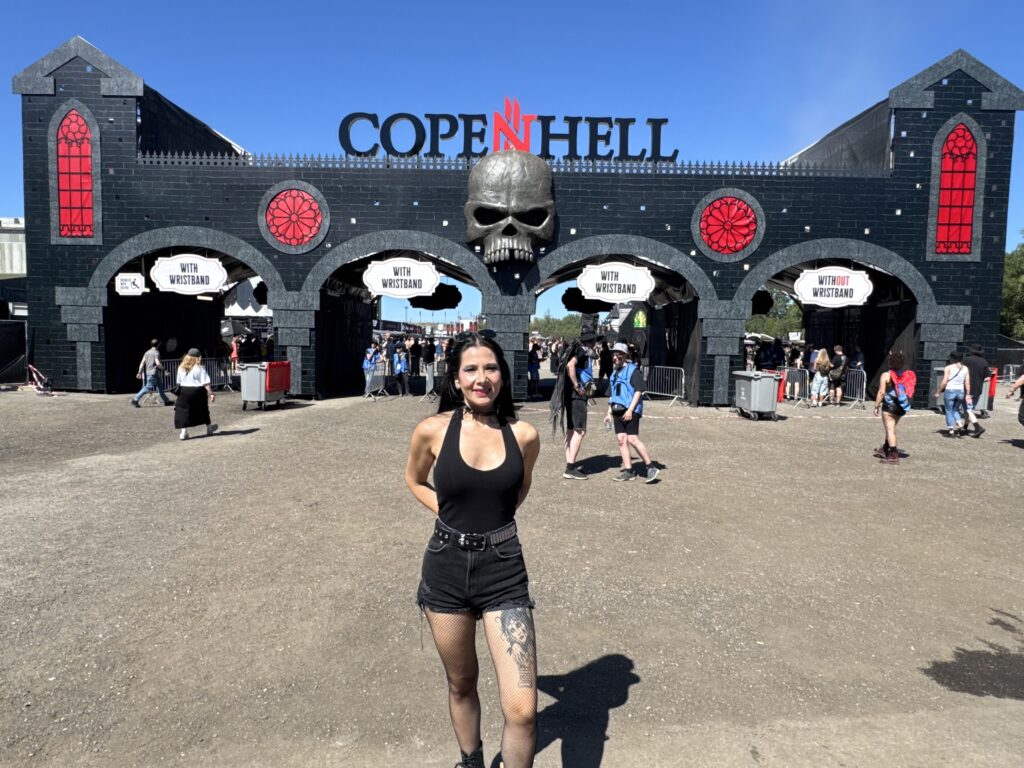
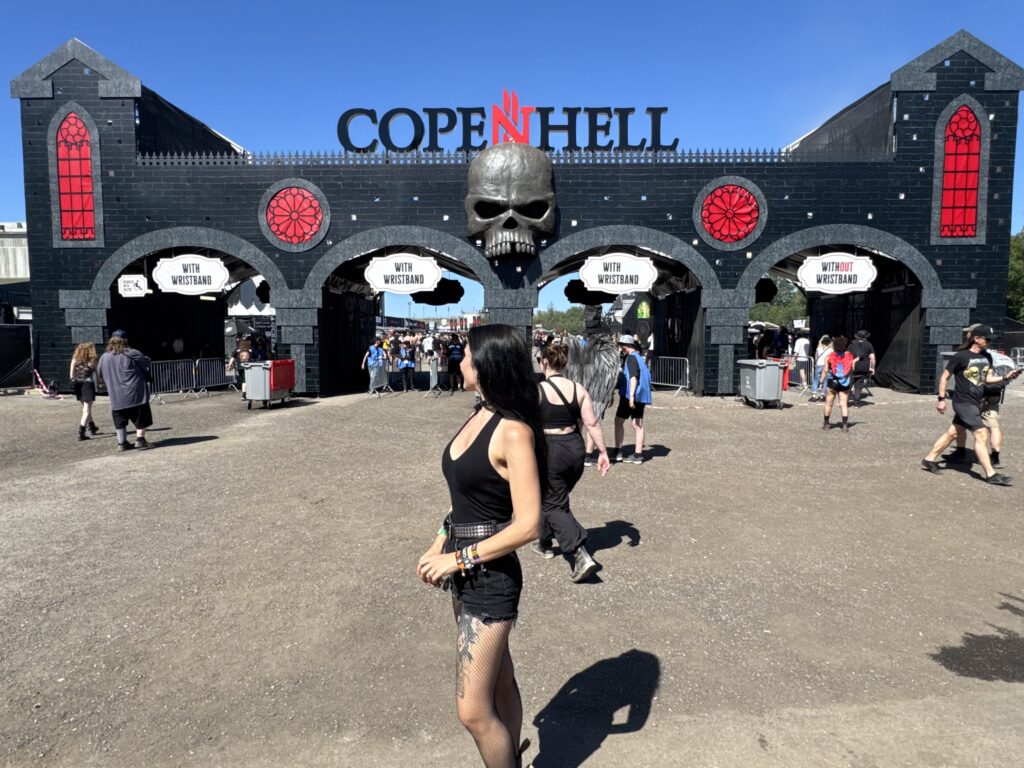
To say that Copenhell is “committed to the Satanic bit” would be an understatement. We are not talking about a few accent pieces scattered here and there across the grounds. Everything at Copenhell is Satan themed. A mock church sporting inverted crosses greets crowds on their arrival. All the food stalls have Satanic puns in their names. Modesty is not extended even to the Iranian food stall.
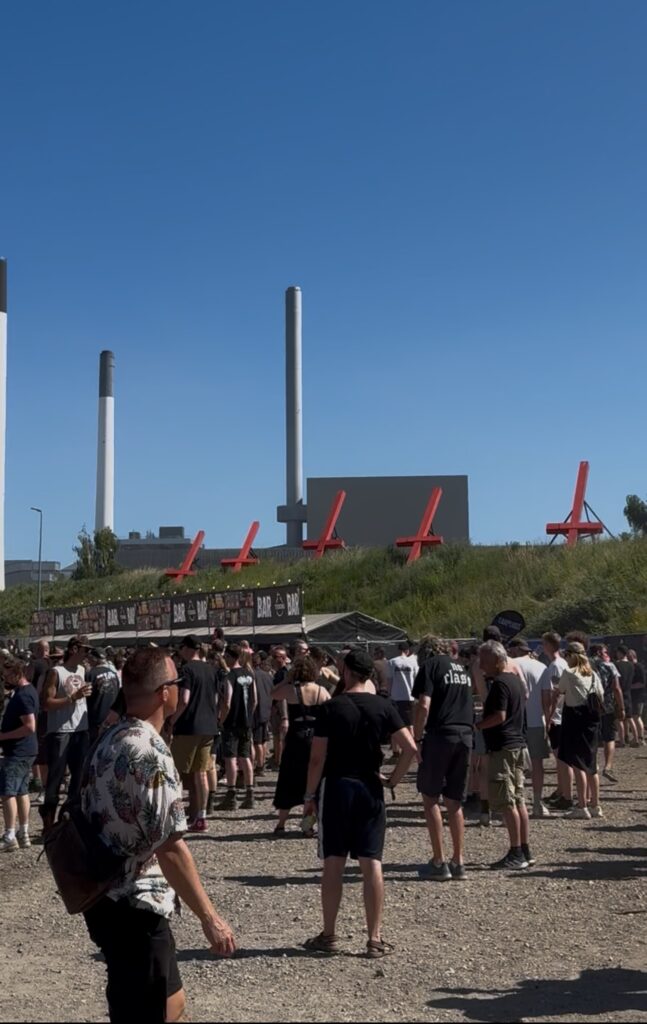
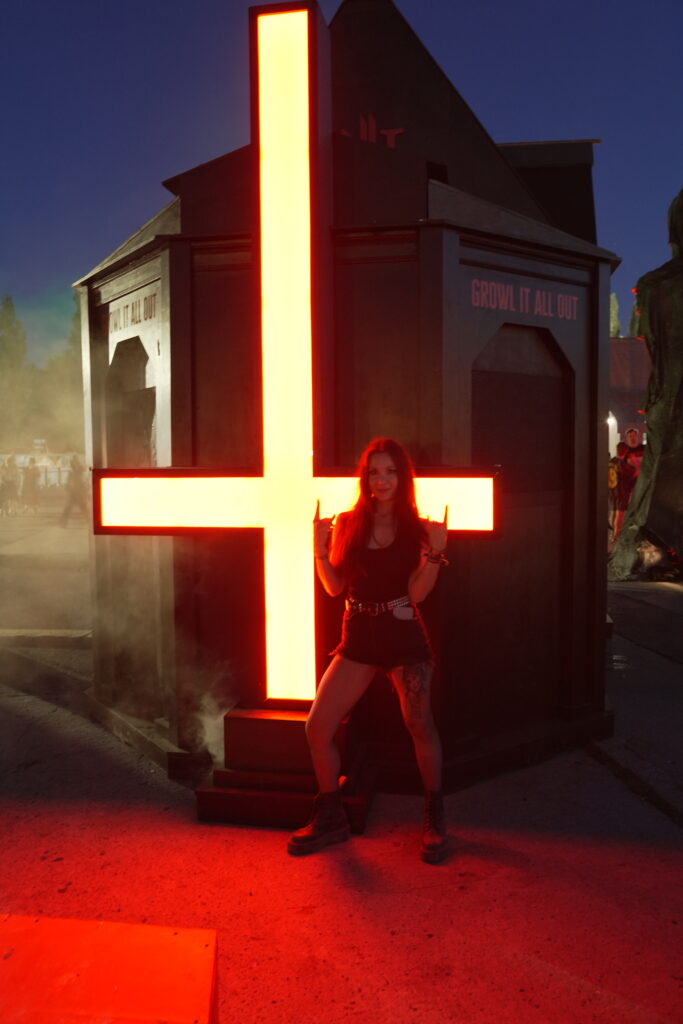
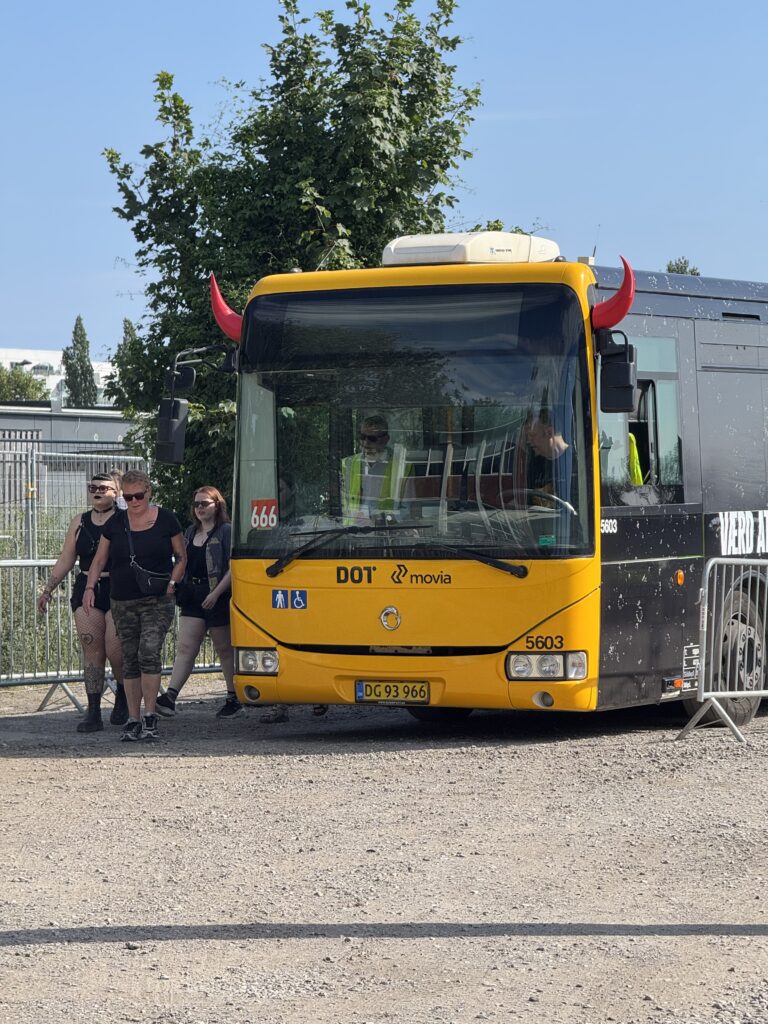
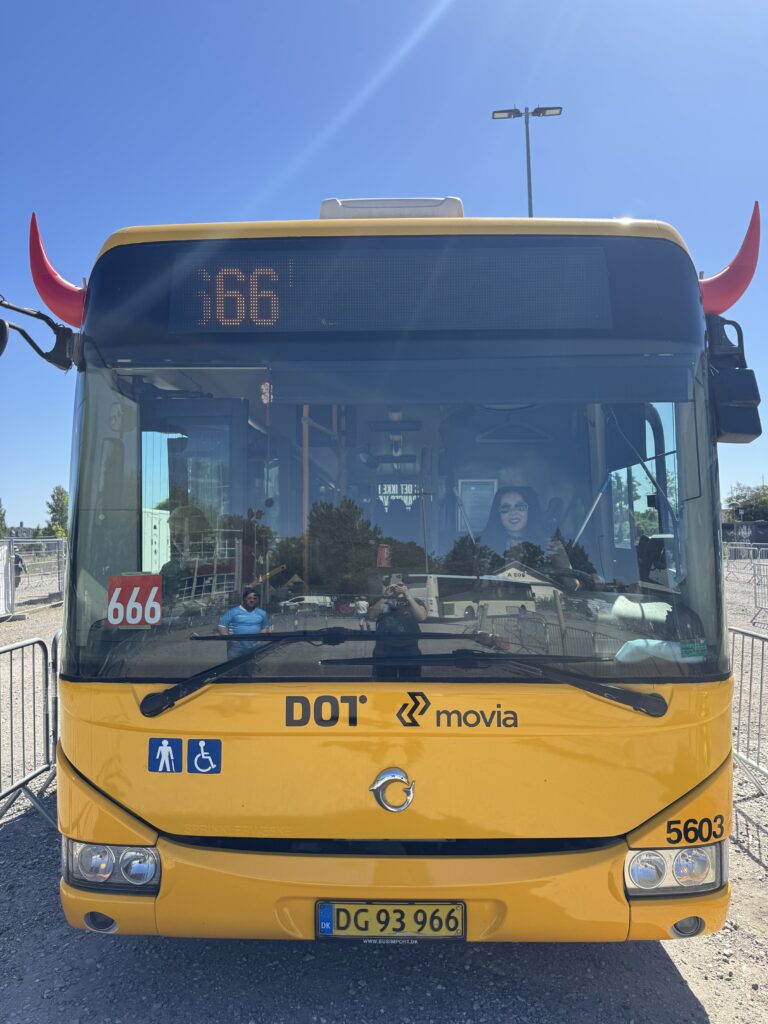
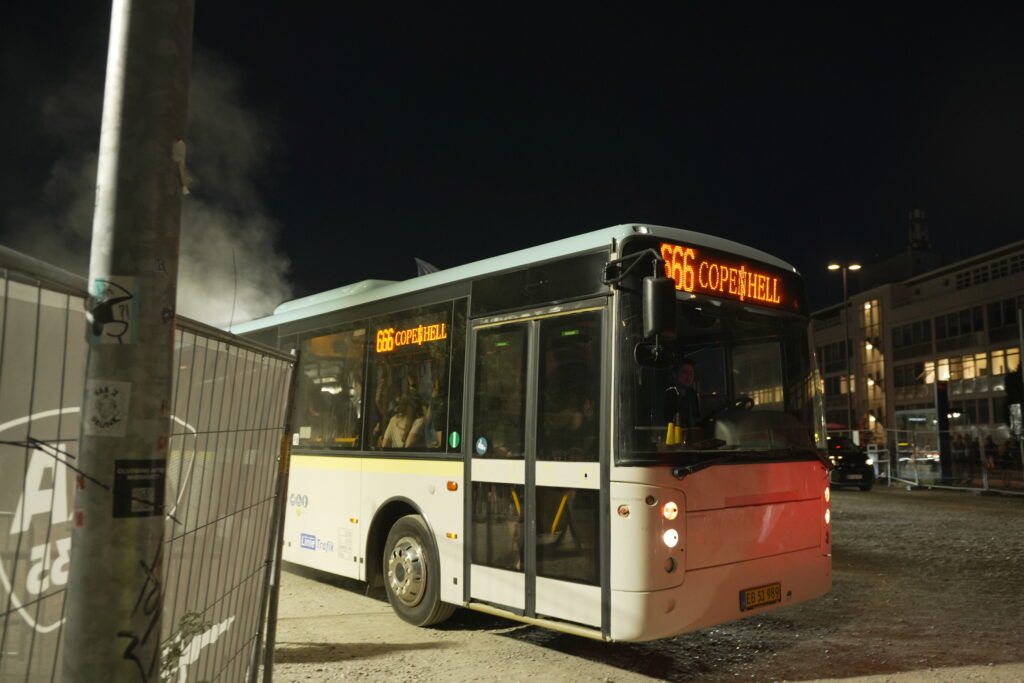
Even the city buses bringing festival goers to the grounds come equipped with specially installed red horns and screens reading route “666.” There is no reason to think that the city worker covering the route would himself be a metalhead, but what I can say is that he was proud of his outfitted rig, keen to have me hop into the driver’s seat to pose for a picture.
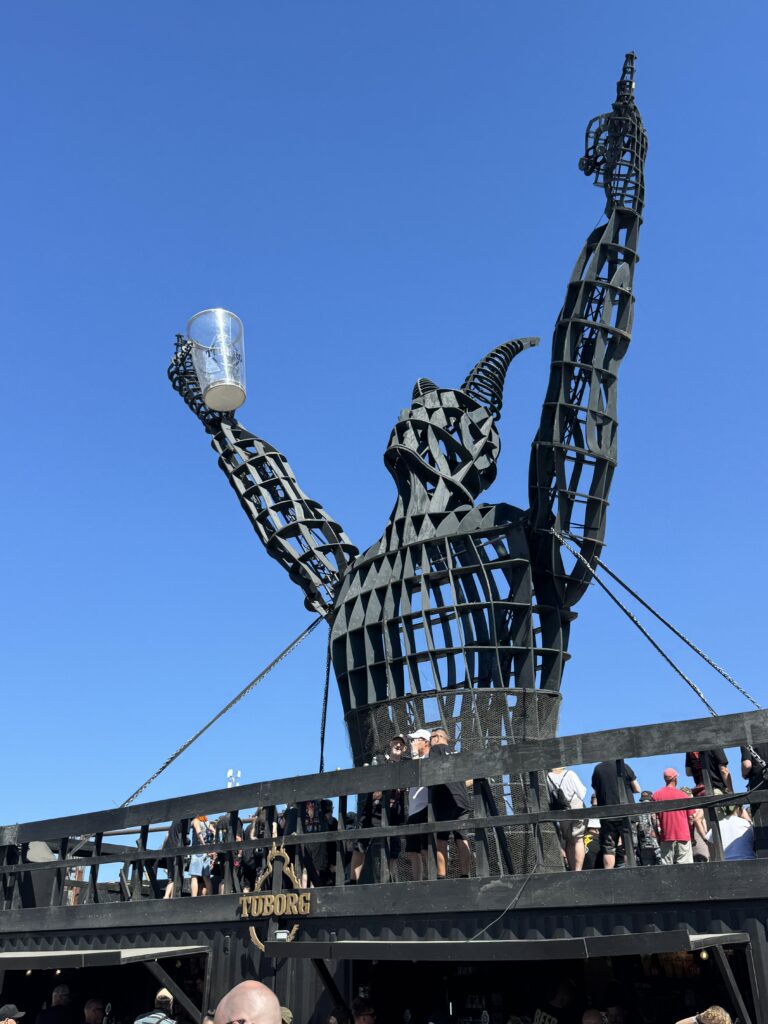
What struck me most was the hundred-foot tall statue of Satan giving cheers with a giant cup of Tuborg. How many other countries in the world could pull this off? Tuborg is owned by Carlsberg. This is one of the country’s biggest corporate conglomerates, a source of national pride for many, and, frankly, a major source of taxable international trade income that helps Danes live as comfortably as they do. Here they are, self-representing as Satan! A hundred-foot tall Satan sculpture would have been badass regardless, but a hundred-foot tall Satan sculpture as an ad for Tuborg dropped my jaw.
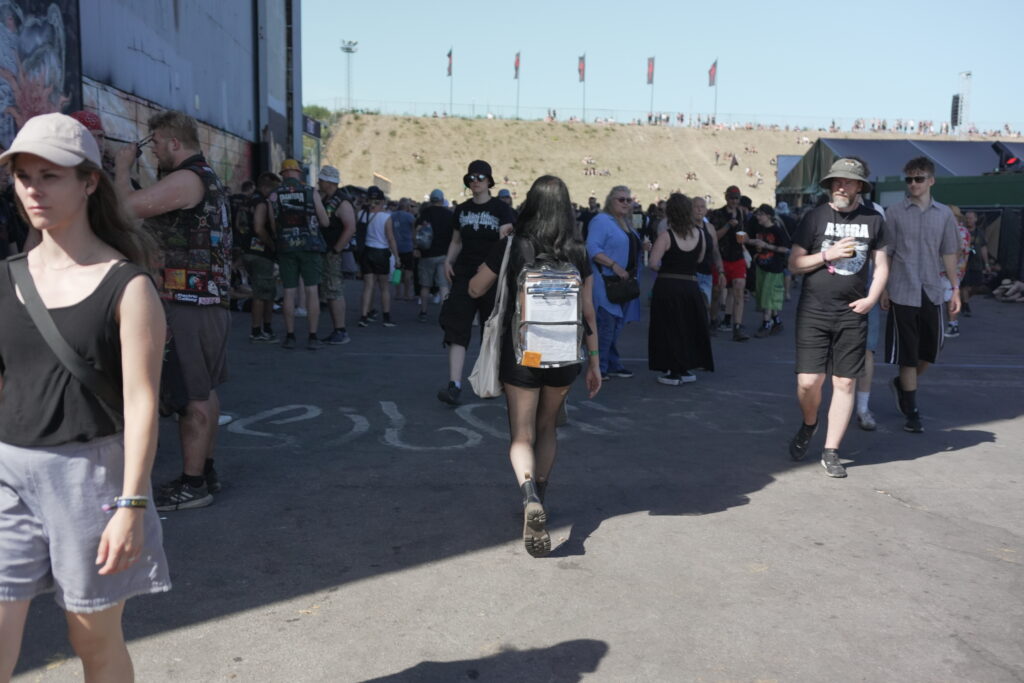
My data tells a fascinating story about how this is possible. The survey is huge. 154 people at Copenhell, and a total of nearly a thousand metalheads across the US and Europe so far, have generously given me 20 minutes of their time to fill out the 112 questions. Questions cover a wide gamut from metal lyrics to politics and society. There are numerous questions investigating metal’s obsession with religion.
The survey asks respondents to rate nine religious traditions from 1, dislike, to 7, like. Christianity, Islam, Judaism, Hinduism, Buddhism, Animism, Paganism, Satanism, and Atheism each receive their own score. The Copenhell crowd average scored 3.09 for Satanism, the lowest score at any festival. The paradox deepens. The highest average score for Satanism, 3.90, has come from Sonic Temple in Ohio, USA, which was by far the crowd that had the highest number of respondents identifying as religious.
This pattern runs throughout our whole dataset. Metalheads are warmer towards the devil in regions where belief in him remains strong, but metalheads are cooler towards the devil in regions with less religion, where buses might carry his horns.
Asked whether they currently follow a religion, 12.6 percent of my Copenhell respondents said yes, 19 of the 151 who answered the question. That sits in the same band as every European crowd I sampled this year: Graspop in Belgium at 10.2 percent, South of Heaven in the Netherlands at 12.8, Lid ar Morrigan in Brittany at 15.0, Into the Grave in the Netherlands at 18.4. Sonic Temple stands apart at 28.5. On belief, Copenhell turns out to be a typically irreligious European metal crowd.

The turnover looks the same everywhere. Around nine in ten of my Copenhell respondents were raised in a religion, and 84 percent of those raised religious have since left it. Sonic Temple starts from more religious ground and still loses two thirds. Metal crowds shed religion at a spectacular rate everywhere I’ve handed out clipboards. Whether the genre attracts people who have already lapsed or helps some of the lapsing along is a question my survey tries to get at, but I’m not going to say more about that yet here.
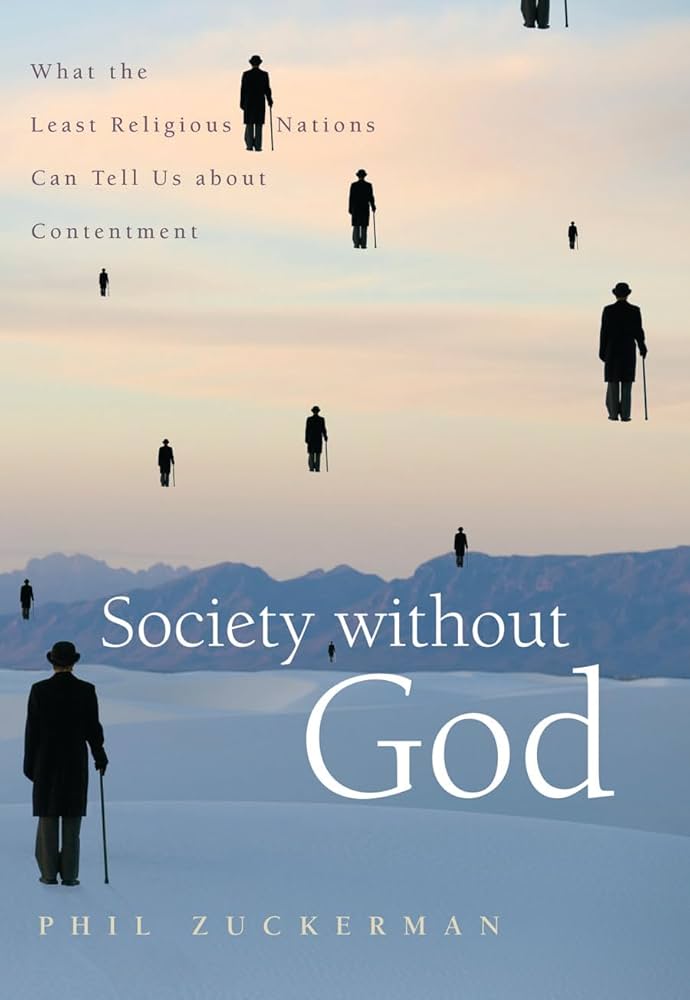
There is scholarship on Denmark that can help us unpack some of what we are witnessing here. The standard field report is still Phil Zuckerman’s Society Without God, written after fourteen months of interviews in Aarhus in the mid-2000s. Two of his data points set the scene. Depending on which survey he cites, believers made up somewhere between a quarter of Danes, if you ask about a personal God, but then the fraction rises to half, if you ask about a God of any kind. This is compared to more than nine in ten Americans. Belief in hell stood at ten percent in Denmark and Sweden, the lowest rate recorded anywhere at the time. Nothing measured since suggests a revival: in Pew’s 2018 survey of Western Europe, 8 percent of Danes counted as highly religious and 62 percent said they never pray.
Only about one Dane in ten believes in hell. The country names its biggest metal festival after a non-existent place that huge swaths of the rest of the world take to be very real.
Zuckerman’s most useful contribution is a concept rather than a number. Most of his Danes had never left the national church. The memberships, weddings, confirmations and Christmas services all carried on while the belief inside them disappeared, an arrangement he refers to as “cultural religion.” He also found Danes reluctant, almost embarrassed, to talk about any of it. Religion there is a private matter, and one young informant told him that “young people think that religion is kind of taboo.” I can report at least one limit to the reluctance. Of the forms I collected at Copenhell, 140 were filled out in the Danish language, long religion section included, by people patiently ticking boxes about God between bands. Maybe a festival named after hell is one of the few places in Denmark where the subject becomes speakable. I would want more than two festivals worth of evidence before pressing that too hard, but I enjoyed the thought while watching them write.


So who actually likes Satan? First, some honesty about what my data can and cannot support. The bottom festivals form a cluster: Copenhell at 3.09, Lid ar Morrigan at 3.12, Graspop at 3.17, Metal Magic at 3.18, and the differences inside that cluster are negligible. Into the Grave and South of Heaven run warmer, at 3.73 and 3.58. The gap that matters is the one between the bottom cluster and Sonic Temple’s 3.90.
Inside Copenhell, Danish residents rated Satanism warmer, around 3.4, than the festival’s foreign visitors did, around 2.5, and that difference is solid too. Sort the whole dataset by where people live rather than where I met them and the United States comes out at 4.0 against Denmark’s 3.3. Keep only the non-religious and the Americans stay ahead. The through-line survives no matter how we inspect the data: warmth towards Satanism runs highest among people who live where religion still has some teeth, and the crowd sipping beers under Tuborg’s giant devil sits at the cool end.
Here is the bluntest measure I have. Across the whole season, seven respondents out of nearly a thousand identified as religious but then wrote down Satanism as their religion. Two were at Copenhell, and one of those two hedged the claim, adding Old Norse religion beside it. Two out of 154; even the most generous reading of a sample that size will not stretch past a few percent. Whatever the crowd under that statue is doing, professing Satanism is a small part of it. One of the artists performing at the festival whom I interviewed, Rasmus Bang of Katla, told me that he was approached at the festival by the Danish Church of Satan and asked to become an ambassador. He declined. A couple weekends later at Metal Magic when I interviewed Ole Luk of Afsky, one of Denmark’s most prominent black metal voices, he told me that neither religion nor Satanism mean anything to him.
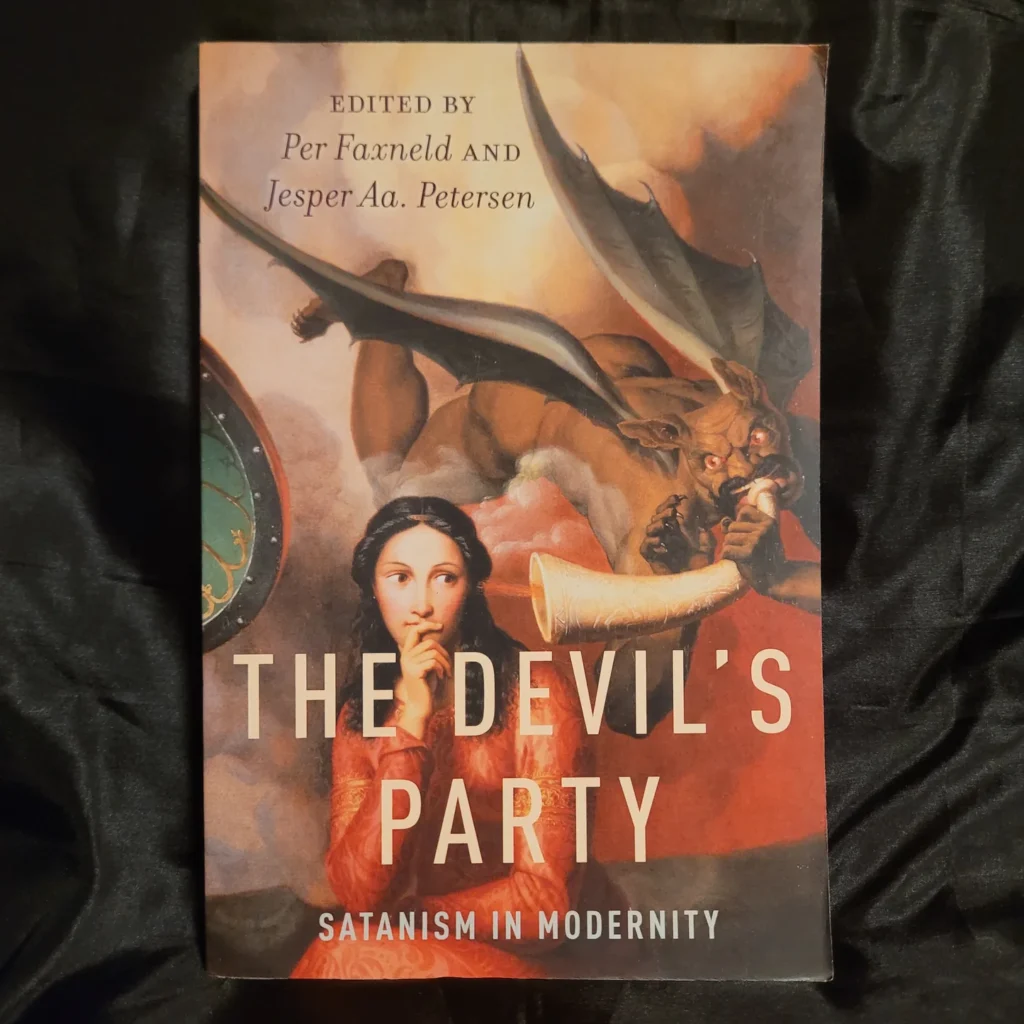
The scholarship on Satanism has a distinction that fits the picture neatly. Per Faxneld and Jesper Aagaard Petersen open their 2012 publication The Devil’s Party by separating “discourse on the satanic and satanic discourse.” On one side, the endless cultural churn of devil imagery, jokes and accusations; on the other, the speech of actual self-described Satanists. The two barely overlap anywhere, and at Copenhell the mismatch runs about as far as it can go. The festival produces discourse on the satanic on an industrial scale but, on my count, assuming my two respondents are serious, only a trace of the real thing. Elsewhere in the same publication, Anton LaVey’s Church of Satan comes across as showmanship first, an outfit that made the devil look more so odd than dangerous. The Tuborg devil belongs squarely to that lineage.
One thing the numbers refuse to support is a sneer about posers. My Copenhell respondents reported the highest lifetime concert counts in the whole dataset, a median of forty shows against Sonic Temple’s fifteen. Nobody accumulates forty concerts by trying out metal for a couple months. My reading, held loosely, is that the imagery at Copenhell works the way Zuckerman says the folkekirke works: it carries belonging, humour and rite for people who shed the doctrine long ago. He documented the mechanism inside the churches, at Copenhell you can watch it pour lager under a statue.
The pagans add another layer to the story. At every one of the eight festivals, Paganism outscored Satanism. At Copenhell it was 3.58 against the 3.09, and the Folk Metal themed festival in Brittany Paganism reached 4.85, the highest rating any tradition earned from any of my crowds once you set Atheism aside. Twelve respondents named a pagan or heathen path as their current religion, against the seven Satanists. These are small numbers and I hold them accordingly, but the direction never wavered at any site, and Zuckerman met the same current twenty years ago: among the few devout believers he found in Denmark was a follower of Asatru.
The same artist who told me about turning down the Church of Satan explained something else to me. In Danish, he said, paganism and religion live in different categories of word. Religion is the Latin loanword that arrived with the church, and it belongs to the vocabulary of belief: tro, faith, as in trossamfund, faith community, the state’s official term for a religion. The old ways avail of separate vocabulary. The everyday term is hedenskab, heathenry, and the revivalists reach back further still: the pre-Christian Norse had no name for their own religion at all, and the phrase hinn forni siðr, the old custom, was only coined around the year 1000, when the new custom arrived and the old one suddenly needed a name. Even asatro, faith in the Aesir, is a modern word, invented by Grundtvig in the 1800s. Denmark’s largest heathen organization named itself Forn Siðr, won state recognition as a trossamfund in 2003, and can legally marry you. If the old gods live in the category of custom rather than creed, their warm ratings in a secular country stop looking strange. Custom asks for practice, not belief, which is the same register in which Zuckerman’s Danes keep their church. There is no refuge here for Satanism.
Liking is one measure. What people will permit is another, and the survey asks four controversial permission questions, all about fire, all on the same 1-to-7 scale: burning a Bible on stage during a concert; burning scriptures as organized atheist activism; burning churches as atheist activism; and, worded from the other political direction, Christian nationalists publicly burning the Qur’an. The four are not mirror images of each other. The actor changes each time, and the last item names an actor most of my respondents presumably dislike, which will drag that number down everywhere. These questions offer four scenarios rather than one scale.
Copenhell leads the Bible burning question at 4.2, with about half of those answering, 70 of 143, at 5 or above, the highest share I have recorded anywhere. It also led the Qur’an item, at 3.33 against 2.1 to 2.8 everywhere else. Whatever drives this permissiveness, it points at both books, which makes simple anti-Christian animus a poor explanation.
Denmark has spent twenty years arguing in public about roughly this, from the cartoons crisis in 2005 to the so-called koranlov of December 2023, an amendment to the criminal code passed after a summer of Qur’an burnings outside embassies. The law bans the improper public treatment of writings of substantial religious significance to a recognized faith community, on pain of up to two years. Its placement says as much as its text. Denmark repealed its blasphemy clause in 2017; the new ban sits in the criminal code’s chapter on offenses against the security of the state, directly beside the ban on burning foreign flags. Scripture, in Danish law, is protected the way a flag is protected, as a matter of public order and foreign relations rather than sanctity. My respondents’ answers rhyme with that history. They read like the answers of people raised somewhere symbolic burning gets treated as speech, argued over as speech, and until recently protected as speech.
Then the item that never moves. Church burning scored between 1.55 and 1.84 at all eight festivals, Copenhell at 1.81. I went looking for the constituency among the listeners nearest the legend, people who ranked black metal first or second among their subgenres, and found 1.83. Thirty-odd years after Norway, across every crowd, country and commitment level I could check, the arson constituency has not showed up. A survey records what people will write on a survey, but it is worth noting that I do emphatically assure each respondent that their anonymous survey will be processed in large batches and could not conceivably be traced back to them.
So where does the devil still mean something? My data points to an answer. One of the questions asks respondents if metal’s sustained critique of religion is part of why they love metal. The festival averages line up in a suggestive order: Sonic Temple 4.1, Metal Magic 3.8, Copenhell 3.4, Graspop 2.9. Sorted by country of residence instead, the same answers give the United States 4.2, Denmark 3.5, France 3.4, Belgium 3.1, the Netherlands 2.6, which is close to the order you would get ranking those countries by religiosity. Five countries is a short list to hang firm conclusions on, so for now let’s call it a strong pattern waiting on more data. The anti-religious charge in this music matters most to people who live where there is still religion to push against, and least where the pushing was stronger a generation ago.
The believers in my sample fit the picture from the other side, starting with where I found them. Sixty-five Sonic Temple respondents currently follow a religion, mostly forms of Christianity, and they rated the scenario of bands burning Bibles on stage at 3.2 against their crowd’s 3.8. Cooler, clearly, but nowhere close to what we might call outrage from people who bought tickets to a festival which, somewhat like Copenhell, also drapes its promotional aesthetic in deeply religious garb. On the statement that metal challenges religion more than other popular music, believers across the whole dataset averaged 4.5 against 4.6 overall. Belief and unbelief agree that this genre engages religion seriously. That happens to be a main hypothesis The Metal Intellectualist was founded on, so I will bank the agreement but not gloat quite yet.
The horned buses were still running when I packed up on the last evening, Route 666, heading back into a city where, by the best measure we have, about one person in ten believes the destination exists. Nobody I surveyed seemed troubled by the gap between the sign on the front of the bus and anything they hold true. That gap seems to be the appeal.